
Do You Know Your Sleep Chronotype and How it Affects You?

Understanding your sleep chronotype can dramatically enhance your quality of life. Explore how to identify your chronotype and strategies to adapt your lifestyle for optimal performance.
Understanding Sleep Chronotypes: Aligning Your Life with Your Natural Rhythms 🌙
Introduction: The Mystery of Sleep Chronotypes
Sleep is a fundamental aspect of human life, influencing our health, productivity, and well-being. Yet, not everyone experiences or needs sleep in the same way. This brings us to the concept of sleep chronotypes—the natural inclination of your body to sleep and wake at certain times. Often described metaphorically as being a “night owl” or an “early bird,” chronotypes play a significant role in determining our daily patterns and productivity.
In this comprehensive guide, we will explore how to recognize your chronotype, its impact on your sleep quality and daily productivity, and strategies to adapt your lifestyle in alignment with your natural sleep rhythms.
What are Sleep Chronotypes?
The Science Behind Chronotypes
Sleep chronotypes are based on our biological clocks, governed by the circadian rhythm—a 24-hour cycle that dictates our sleep-wake patterns. Chronotypes can be categorized broadly into morning types, evening types, and those in between. These chronotypes are influenced by genetic, environmental, and developmental factors.
Dr. Michael Breus, a clinical psychologist known as “The Sleep Doctor,” asserts, “Understanding your chronotype is crucial for optimizing your daily routines and achieving peak productivity.”
The Four Primary Chronotypes
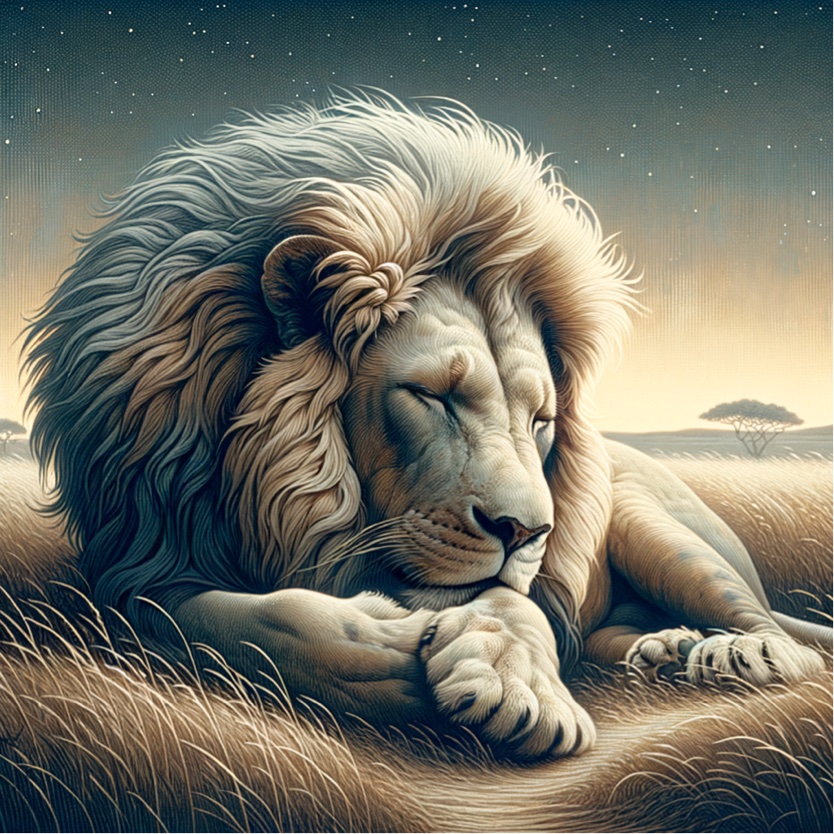
- Lions (Early Risers): Lions tend to wake up early, bursting with energy in the morning but often find themselves winding down by evening.
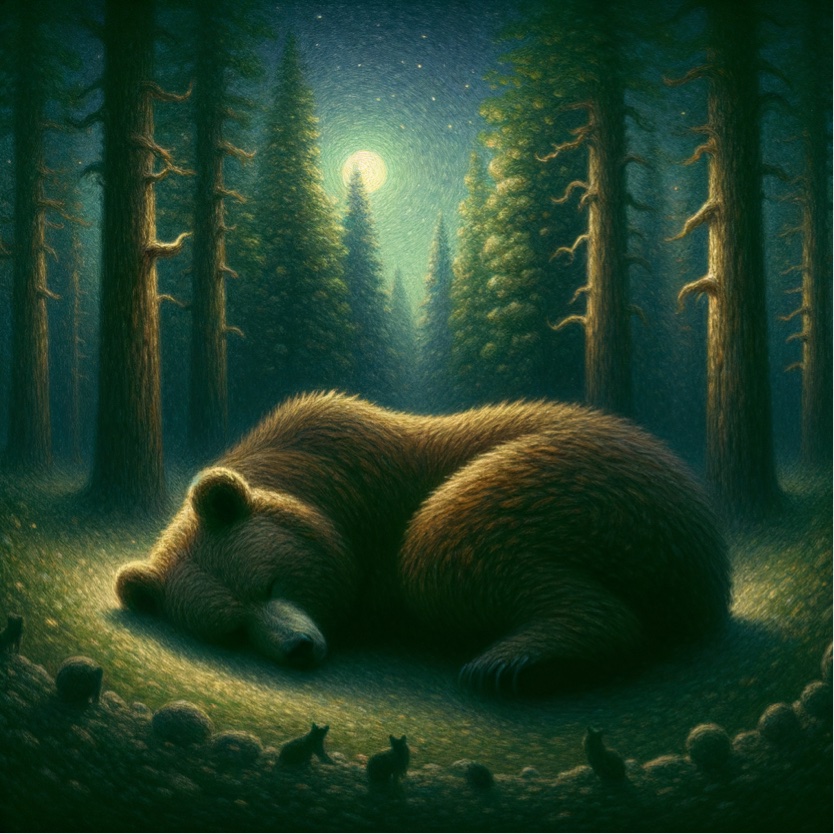
- Bears (Daytime Efficient): Bears follow the solar cycle, feeling most alert during the day and typically getting a full night’s sleep.
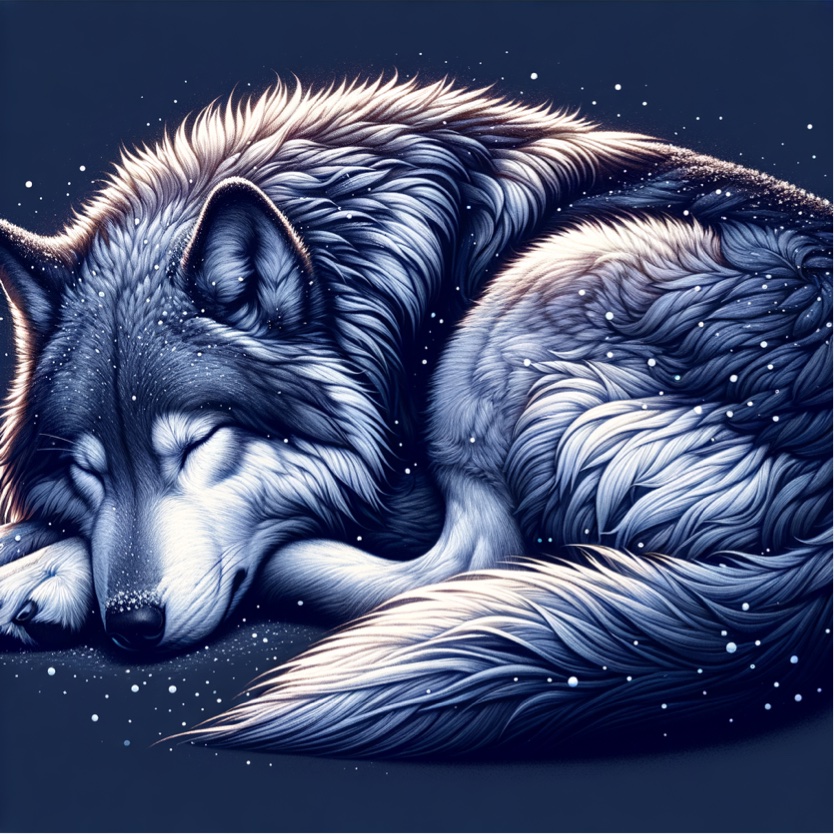
- Wolves (Night Owls): Wolves feel most energetic in the evenings and prefer to stay up late, often struggling with early morning schedules.
- Dolphins (Light Sleepers): Dolphins have erratic sleep patterns and often struggle with insomnia, requiring a unique approach to sleep routines.
Explore More Questions:
- How do genetics influence sleep chronotype?
- What environmental factors can alter one’s chronotype?
Recognizing Your Chronotype
Self-Assessment Methods
To determine your chronotype, you can start by reflecting on your natural sleep preferences and energy levels at different times of day. Journaling about when you feel most alert and productive can reveal patterns.
For a more scientific approach, consider using chronotype quizzes, such as the Munich Chronotype Questionnaire or Dr. Breus’s Chronotype Quiz, which assess your sleep habits and preferences.
Professional Assessment
Consulting with a sleep specialist can provide deeper insights. They may use tools like actigraphy, which involves wearing a device that tracks your sleep-wake cycle over several days.
Explore More Questions:
- What are the signs that indicate a mismatch between lifestyle and chronotype?
- How reliable are online chronotype assessments?
How Chronotype Influences Sleep Quality
Alignment and Sleep Efficiency
When your sleep schedule aligns with your chronotype, you experience better sleep efficiency, meaning you spend more time in restorative sleep stages. Mismatches can lead to sleep disorders like insomnia or social jet lag—a condition where social obligations force you to sleep and wake at times unnatural to your chronotype.
Dr. Breus notes, “Sleep misalignment can lead to chronic sleep deprivation, which has far-reaching effects on health and cognitive function.”
Health Implications
Chronic misalignment can increase the risk of developing health issues such as obesity, diabetes, depression, and cardiovascular problems. Recognizing and honoring your chronotype can mitigate these risks by promoting better sleep quality and overall health.
Explore More Questions:
- How does sleep efficiency differ among various chronotypes?
- What are the long-term health consequences of sleep misalignment?
The Role of Chronotype in Daily Productivity
Optimal Performance Times
Each chronotype has peak performance times when cognitive functions are most efficient:
- Lions thrive in the morning, making it an ideal time for them to tackle demanding tasks.
- Bears excel mid-morning to early afternoon, aligning with typical workday structures.
- Wolves perform best in the late afternoon and evening, when their energy levels peak.
- Dolphins need to leverage short bursts of productivity throughout the day, often benefiting from flexible schedules.
Workplace Implications
Understanding chronotypes can revolutionize workplace productivity. Employers who allow flexible work hours can maximize employee efficiency by aligning tasks with employees’ natural rhythms.
Explore More Questions:
- How can businesses incorporate chronotype flexibility into work policies?
- What strategies can individuals use to enhance productivity if their work schedule conflicts with their chronotype?
Adapting Your Lifestyle to Your Chronotype
Tailoring Your Daily Routine
Adjust your schedule to align with your chronotype:
- For Lions: Start your workday early, plan social activities in the afternoon, and wind down in the evening.
- For Bears: Follow a standard workday schedule, with strategic breaks during energy dips.
- For Wolves: Plan demanding tasks for late afternoon or evening, and avoid morning commitments when possible.
- For Dolphins: Use techniques to improve sleep quality and maintain a flexible schedule for productivity peaks.
Sleep Hygiene Practices
Good sleep hygiene improves quality regardless of chronotype. Practices include maintaining a consistent sleep schedule, creating a restful sleeping environment, and minimizing caffeine and electronic devices before bed.
Explore More Questions:
- What are effective sleep hygiene practices for different chronotypes?
- How can individuals handle social commitments that conflict with their chronotype?

Expert Insights and Quotes
Dr. Matthew Walker, a neuroscientist and author of “Why We Sleep,” emphasizes the importance of aligning life with chronotype: “Our bodies are not designed for constant misalignment. Recognizing and living in harmony with our chronotype is essential for optimal health and performance.”
This echoes the views of Dr. Michael Breus, who advocates for adjusting lifestyle choices to suit one’s chronotype for better productivity and well-being.
Explore More Questions:
- What insights do sleep experts provide on managing lifestyle changes for better sleep?
- How do chronotype studies inform public health recommendations?
Conclusion: Embracing Your Chronotype for Better Living
Understanding and embracing your sleep chronotype can profoundly impact your quality of sleep and daily productivity. By aligning your lifestyle with your natural rhythms, you can achieve better health, performance, and overall well-being. Whether
Blood Type and Sleep Chronotype?
As of the latest research, there is no well-established scientific correlation between blood type and sleep chronotype. Sleep chronotypes are primarily influenced by genetic, environmental, and developmental factors, particularly those related to the circadian rhythm. Blood type, on the other hand, is determined by specific antigens present on the surface of red blood cells and is generally associated with different aspects of health, such as susceptibility to certain diseases, rather than sleep patterns.
While some studies have explored potential links between various health conditions and blood types, the connection between blood type and sleep chronotype remains an area that lacks substantial empirical evidence. Most research on sleep chronotypes focuses on genetic markers and the influence of lifestyle and environmental factors.
Explore More Questions:
- Are there any studies exploring unconventional correlations with sleep chronotypes?
- How do genetic factors influence both blood type and sleep patterns?
If you’re interested in the intersection of genetics and sleep, keeping an eye on ongoing chronobiology research might reveal more insights in the future. For now, the main determinants of sleep chronotype remain circadian biology and related gene
ADDITIONAL RESOURCES
For more information on sleep chronotypes and optimizing your sleep, consider exploring these resources:
- The Sleep Doctor – Dr. Michael Breus
- National Sleep Foundation
- Why We Sleep by Matthew Walker
- Chronotype Questionnaire – Munich Chronotype Questionnaire (MCTQ)
These resources offer valuable insights and tools to help you understand and work with your sleep chronotype effectively. 🛌🌟