
Why Nostalgia Is Back in Everything from Fashion to TV to Food
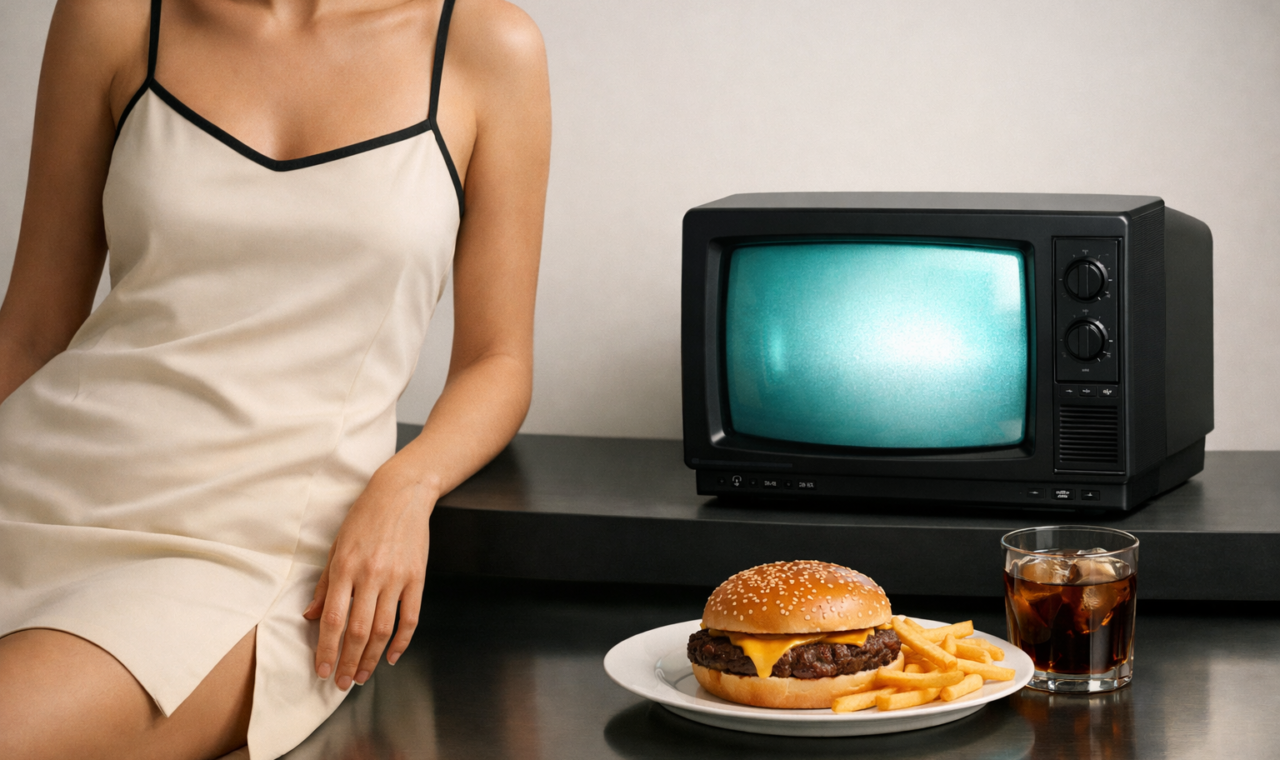
Nostalgia is shaping everything from runway trends and rebooted TV shows to retro packaging and comfort food. In an uncertain world, familiar references feel warmer, safer, and easier to trust.
Nostalgia is having a big moment, but it would be more accurate to say it never really left. It has simply become one of the most reliable tools in modern culture. From fashion collections that borrow from the ’90s to TV revivals, retro color palettes, old-school packaging, and comfort foods that taste like childhood, the familiar is everywhere. And in a world that often feels fast, fragmented, and unpredictable, that makes a lot of sense.
This isn’t just about people missing the past. It’s about how brands, creators, and audiences are using memory as a shortcut to meaning. Nostalgia can make something feel safer, warmer, and easier to trust. It can also make a product, show, or trend feel instantly legible in a crowded market. The result is a culture that keeps circling back to old references, but usually with a modern polish.
Why nostalgia feels so powerful right now
Nostalgia works because it offers emotional clarity. In uncertain times, people tend to look for cues that feel known and predictable. That can happen on a personal level, like rewatching a favorite sitcom, or on a commercial level, like buying a sneaker silhouette that looks like something from 20 years ago.
There’s also a practical reason: nostalgia reduces the effort it takes to connect. If a fashion drop reminds someone of their teenage years, or a TV reboot brings back a beloved cast, the audience already has an emotional relationship with it. That can be especially valuable in an attention economy where people are overwhelmed by choice.
Nostalgia is not just a feeling. It’s also a design strategy, a marketing tool, and a cultural shorthand for comfort.
What makes the trend especially interesting today is that nostalgia is no longer limited to one age group. Millennials may be responding to the return of low-rise jeans or early-2000s pop culture, while Gen Z is discovering the aesthetics of eras they never lived through. In other words, nostalgia now works both as memory and as style.
Fashion: the archive is now the inspiration board
Fashion has always recycled itself, but recent years have turned that cycle into a headline. Vintage-inspired tailoring, throwback sneakers, logo-heavy accessories, Y2K silhouettes, and reissued classics all point to the same idea: the past is marketable because it already comes with a story.
For designers, nostalgia is useful because it can make a collection feel grounded. A reference to the ’70s, ’90s, or early 2000s gives the audience an immediate point of entry. They don’t have to understand every detail of the design language to get the vibe. That familiarity lowers the barrier to interest.
For shoppers, nostalgic fashion often feels more wearable than trend-chasing for trend’s sake. A familiar shape or color can feel like a safe purchase, especially when budgets are tight. That’s one reason retro sneakers, denim cuts, and heritage-inspired outerwear continue to perform so well: they balance novelty with recognizability.
The best nostalgic fashion doesn’t copy the past exactly
What tends to work best is not a full costume remake, but a modern update. A brand might borrow a familiar silhouette and pair it with better fabrics, cleaner construction, or updated proportions. That mix of old and new helps the piece feel current instead of gimmicky.
When nostalgia is done poorly, it can look lazy or overly literal. When it’s done well, it feels like a tribute with a point of view.
TV and film: comfort viewing has become a habit
Entertainment has leaned hard into nostalgia because it offers a built-in audience. Reboots, sequels, spinoffs, legacy casts, and period-set stories all benefit from the same emotional mechanism: viewers already know what world they’re entering.
That familiarity matters. In a crowded streaming landscape, the most valuable thing a show can have is an instant reason to care. A beloved character, a recognizable theme song, or a franchise with deep cultural memory gives audiences a reason to click. It also gives studios a way to reduce risk, since familiar IP often feels safer than an original concept with no track record.
But nostalgia in TV and film is not only about reviving old hits. It’s also about tone. Even new shows often use retro styling, needle-drop songs, or references to earlier eras to create warmth and emotional access. In that sense, nostalgia works as atmosphere as much as content.
There’s a subtle difference between comfort viewing and creative recycling. The former can be a genuine audience need. The latter can feel like a shortcut if nothing new is being added. Viewers are usually forgiving of familiarity if there’s also a fresh idea, a sharper perspective, or a more inclusive cast and storytelling approach.
Food: the easiest way to taste the past
Food may be nostalgia’s strongest category because taste and smell are so closely tied to memory. A childhood snack, a diner-style breakfast, a seasonal treat from a specific decade, or a revived frozen dessert can trigger a feeling faster than almost anything else.
That’s why brands keep bringing back old flavors, retro packaging, and limited-edition collaborations that look like they came from a different era. These products do more than sell a taste; they sell a feeling. They say, “Remember this?” which is often enough to get someone to buy it.
There’s also a social element. Food nostalgia gives people an easy conversation starter. Sharing a childhood snack with friends, posting a retro product online, or seeing a menu item return for a limited run can create a small collective moment. It turns private memory into public culture.
In practical terms, nostalgia works in food because the barrier to participation is low. You don’t need to learn a new format or understand a complicated trend. You just need to recognize the flavor, the package, or the experience.
Why brands keep reaching for the familiar
Brands love nostalgia because it saves time and builds trust. It can help a product feel established, even if it’s new. It can also make an audience feel like they’re in on the reference, which is a powerful emotional hook.
Three reasons nostalgia is such an effective strategy
- It lowers uncertainty. Familiar cues make people more comfortable trying something new.
- It creates instant meaning. A reference to a specific decade or memory can tell a story without much explanation.
- It travels well across platforms. Nostalgic visuals, sounds, and flavors are easy to share, repost, and remix.
Still, the smartest brands know that nostalgia is a starting point, not the entire product. If everything is a callback, the work starts to feel stuck. The strongest campaigns and collections usually pair a retro reference with a modern value: better fit, better inclusivity, better storytelling, or better convenience.
The downside of living in the past
Nostalgia can be comforting, but it can also flatten culture if it becomes the only creative language we use. When every trend is a remix, audiences may start to feel like they’re seeing the same thing over and over again. That can make innovation harder to spot and originality harder to reward.
There’s also a deeper cultural issue. Nostalgia tends to idealize the past, which means it can overlook what was problematic, exclusionary, or simply less functional about earlier eras. A good retro trend should borrow the style, energy, or emotional tone without pretending the past was perfect.
The healthiest version of nostalgia is selective. It keeps the charm and leaves the baggage behind.
Key takeaways
- Nostalgia is popular because it makes culture feel more familiar, manageable, and emotionally safe.
- Fashion, TV, and food each use nostalgia differently, but all three benefit from instant recognition.
- Brands rely on nostalgia because it reduces risk and helps products stand out quickly.
- The best nostalgic trends update the past instead of copying it exactly.
- Too much nostalgia can make culture feel repetitive, so the strongest ideas still need a fresh point of view.
FAQ
Why is nostalgia so popular right now?
Because it offers comfort in a time of constant change. When people are facing uncertainty, they often gravitate toward things that feel familiar, emotionally safe, and easy to understand.
Is nostalgia only for older generations?
No. Younger audiences are highly active in nostalgic trends too, especially with styles and media from decades they may only know through internet culture, streaming, or social media.
Why do brands use nostalgia so often?
It helps them connect quickly. Nostalgia can make a product feel trustworthy, emotionally rich, and instantly recognizable, which is valuable in crowded markets.
What makes a nostalgic trend feel fresh instead of recycled?
The key is interpretation. A trend feels fresh when it uses familiar references but adds modern design, better functionality, updated storytelling, or a new perspective.
Can nostalgia become a problem?
Yes, if it replaces originality. Nostalgia works best when it’s one ingredient in the mix, not the whole recipe.
Related Resources
- Britannica: Nostalgia — A concise overview of nostalgia’s meaning, history, and cultural significance.
- Google Trends — A useful tool for spotting whether retro keywords, brands, or eras are gaining traction.
- Library of Congress Collections — A rich archive for exploring old advertisements, photos, films, and cultural artifacts.
- MoMA Collection — Helpful for seeing how design, fashion, and visual culture evolve and return in new forms.