
How Travel Is Changing: Why People Want Less Hustle, More Meaning
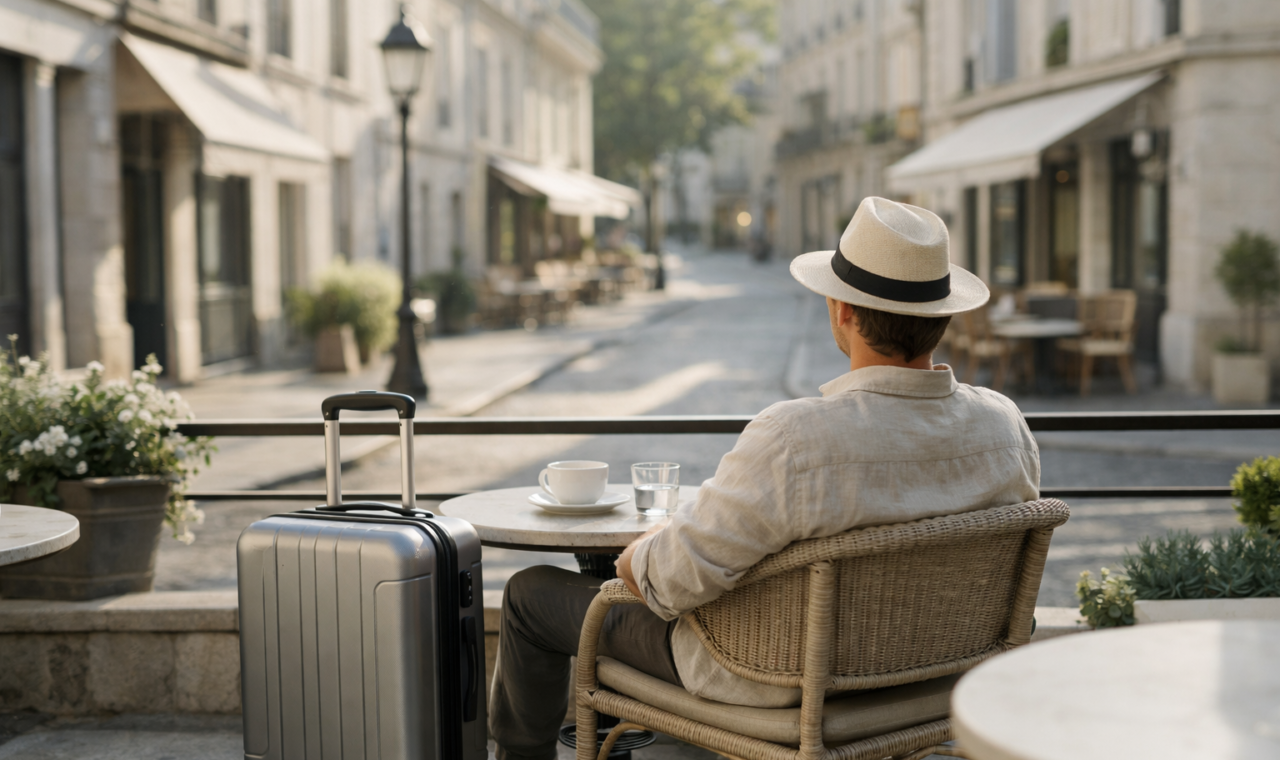
Travel is shifting away from packed itineraries and bucket-list checklists toward slower, more intentional trips. More travelers now value rest, local experiences, and emotional payoff over sheer quantity.
For years, travel was often treated like a race. More cities, more photos, more reservations, more stories to tell when you got home. The ideal trip was packed tight enough to feel impressive, almost like productivity in a better outfit. But that mindset is changing. A growing number of travelers now want something different: fewer moving parts, more breathing room, and a trip that leaves them restored instead of exhausted.
This shift is bigger than a preference for lazy mornings or scenic cafés. It reflects a wider change in how people think about money, time, and fulfillment. Travelers are asking a practical question that used to get buried under bucket-list pressure: if a trip costs this much and takes this much energy, what am I actually getting from it?
The end of the vacation scoreboard
For a long time, travel culture rewarded quantity. People compared how many countries they visited, how many landmarks they checked off, or how many experiences they could fit into a single week. The logic was simple: if you were already spending the money, you should maximize every hour.
That approach made sense in an era when travel was seen as rare and precious. If you only got one big trip a year, of course you wanted to cram in as much as possible. But the downside became hard to ignore. Packed itineraries often turn vacations into logistics marathons: early alarms, constant transit, long lines, rushed meals, and that familiar feeling of needing another vacation after the vacation.
Travelers have started to recognize that rest is not wasted time. In fact, rest is often the thing they were trying to buy all along.
Why the old model stopped feeling satisfying
The fast-travel model delivers a lot of surface-level stimulation, but not always emotional value. You may see more, yet remember less. You may spend more, yet feel less connected to the places you visit. And when every day is scheduled down to the hour, there is little room for spontaneity, discovery, or genuine recovery.
The new travel goal is not to collect as many moments as possible, but to make the moments you do have feel meaningful.
That distinction matters. It changes how people choose destinations, how long they stay, where they eat, and even how they measure success at the end of the trip.
What slower travel actually looks like
Slower travel does not mean doing nothing. It means making room for depth instead of speed. A slower trip might involve staying in one neighborhood for a week, building a trip around one city instead of five, or planning only one major activity per day and leaving the rest open.
Less moving, more noticing
When travelers stop chasing a checklist, they tend to notice more: the bakery around the corner, the rhythm of a local market, the way a city changes after sunset, or the calm of sitting in a park without checking the clock. These experiences are harder to photograph as status symbols, but they are often easier to remember.
That is one reason local experiences are becoming so appealing. Travelers want meals that tell them something about a place, not just recognizable spots from an internet list. They want neighborhood cafés, small museums, local guides, community events, and conversations that give context to the destination.
Rest becomes part of the itinerary
In the past, rest was what happened between activities. Now, it is increasingly part of the plan. That might mean booking a hotel with a good reading chair, choosing a place with a walkable area nearby, or intentionally leaving one afternoon blank. Some travelers even build a “buffer day” into the beginning or end of a trip so they are not spending the whole vacation in transit mode.
This is not indulgence. It is design. People are learning that a trip can be more successful when it protects their energy instead of draining it.
Why this shift is happening now
Several forces are pushing travel in this direction at once. The first is simple fatigue. Modern life already feels crowded: work notifications, family logistics, social commitments, and the pressure to stay informed. Many people do not want their vacation to feel just as intense.
Another factor is cost. Travel is expensive, and when people spend serious money, they are increasingly selective about what feels worth it. They may be less interested in buying five rushed experiences and more interested in one memorable dinner, one guided walk, or one exceptionally comfortable stay that helps them recover.
Time is also part of the equation. For workers with limited vacation days, every hour matters. Instead of spending half the trip in airports or on trains, travelers are rethinking the math. Sometimes a smaller trip with less transit delivers more value than a larger one with constant movement.
And then there is the emotional shift. People are evaluating trips based on how they make them feel. Did the trip help me slow down? Did I actually connect with the place? Did I come home with energy, not just photos? These are not frivolous questions. They reflect a deeper interest in fulfillment over performance.
Local experiences are replacing generic sightseeing
Another sign of the change is the growing desire for travel that feels grounded in place. Instead of chasing the most famous attraction in every destination, many travelers are choosing experiences that feel more human and more specific.
That could mean taking a cooking class in a family-run kitchen, spending an afternoon at a local market, or choosing a smaller town over a capital city. It could also mean traveling more like a temporary resident than a tourist: shopping in neighborhood stores, using public transit, and finding routines that make a place feel lived-in rather than staged.
This shift is partly about authenticity, but it is also about scale. Large attractions can be exciting, yet they often feel interchangeable across cities. A quiet morning at a local café or a walk through an unplanned neighborhood can create a stronger sense of memory because it feels specific to the place and the moment.
Why emotional payoff matters more than volume
Travelers are realizing that not every memorable experience needs to be dramatic. Sometimes the strongest emotional payoff comes from a slower rhythm: a conversation with a local host, a view from a train window, or the relief of not having to rush to the next thing.
That emotional payoff is increasingly tied to how people evaluate spending. If a more expensive trip leaves them depleted, it may feel like a bad investment. If a simpler, slower trip leaves them calmer, closer to the people they are traveling with, and more connected to the destination, it can feel worth every dollar.
In other words, the value of travel is no longer measured only by what you see. It is also measured by what the experience gives back.
What this says about changing values
The move toward slower travel reflects a broader cultural reordering. People are becoming more skeptical of the idea that busy automatically means better. They are less interested in proving that they can do it all and more interested in doing the right things well.
That applies to travel, but it also mirrors broader lifestyle choices: better work-life balance, more intentional spending, healthier boundaries, and a stronger desire to protect personal time. Travel, in this sense, has become a test case for modern priorities. If we are willing to pay for rest at home, why would we skip it on vacation?
It also shows a more mature relationship with ambition. A packed itinerary can signal aspiration, but so can restraint. Choosing one city instead of four is not a compromise if it leads to a better experience. Choosing a slower pace is not settling; it is editing.
The most interesting travel trend right now is not where people are going. It is how they are deciding what is enough.
Key takeaways
- Travel is shifting from quantity to quality. Many travelers now value a fewer, deeper experiences over a long checklist of stops.
- Rest is becoming part of the trip itself. People want vacations that restore energy, not ones that create more fatigue.
- Local experiences often feel more rewarding than generic sightseeing. They create stronger memories and a better sense of place.
- Money and time are being evaluated more carefully. Travelers want trips that feel worth the cost and the effort.
- This trend reflects changing values. Fulfillment, balance, and emotional payoff matter more than looking impressively busy.
FAQ
What is slow travel?
Slow travel is an approach that emphasizes staying longer in one place, moving less, and focusing on deeper experiences instead of trying to see as many destinations as possible. It often includes local food, neighborhood exploration, and more time for rest.
Is slower travel more expensive?
Not necessarily. Some slower trips can be cheaper because they reduce transit costs and encourage fewer high-pressure activities. That said, slower travel can also be designed around higher-quality stays or experiences, so the total cost depends on your choices.
Why are people choosing slower trips now?
Many travelers are feeling burnout from busy daily life, rising travel costs, and limited vacation time. Slower trips often feel more worthwhile because they offer rest, connection, and emotional payoff rather than just a long list of sights.
How can I make a trip feel more intentional?
Start by limiting how many places you try to visit, leaving open time in the schedule, and choosing activities that reflect the destination’s local character. Even one unplanned afternoon can make a trip feel more relaxed and memorable.
Does slower travel mean skipping famous attractions?
Not at all. It simply means choosing fewer priorities so you can enjoy them fully. You might still visit major landmarks, but without stacking them on top of a packed, exhausting schedule.
Related Resources
- UN Tourism: Sustainable Development — A reliable overview of how tourism can support communities and reduce its footprint when planned thoughtfully.
- CDC Travel — Practical guidance on planning travel safely and reducing avoidable stress before and during a trip.
- U.S. Department of State: International Travel — Useful official information for passports, safety, and destination planning if you are traveling abroad.
- National Geographic Travel — High-quality travel reporting and destination ideas that often lean toward more thoughtful, place-based experiences.