
Timeless Art of Opera: Its Origins, Evolution, and Enduring Popularity 🎭

Discover the enchanting journey of opera, its rich history, and the artistry behind the performances that continue to inspire generations.
Opera, a captivating blend of music, theater, and storytelling, has enchanted audiences for centuries. With its roots stretching back to the late 16th century, this art form has evolved dramatically, adapting to the tastes and technologies of each generation. From grand opera houses in bustling metropolises to charming venues in small towns, opera remains a vital cultural pillar. Join me as we explore the origins of opera, its evolution, and the intricacies of the artist training involved in creating the mesmerizing arias we love.
A Brief History of Opera: From Birth to Renaissance 🎶
The genesis of opera can be traced back to late 16th-century Italy. What began as a revival of ancient Greek dramas transformed into a unique genre that combined music, poetry, and staged performance. The first opera, Dafne, composed by Jacopo Peri in 1597, set the groundwork for the art form we know today.
The Early Operatic Era: 1600-1750
During the Baroque period, opera flourished across Europe. Composers such as Claudio Monteverdi and Georg Friedrich Handel contributed significantly to the genre. Monteverdi’s L’Orfeo (1607) showcased the emotional depth and narrative potential of operatic storytelling. The rise of opera seria, a serious style focusing on noble characters and grand themes, captivated aristocratic audiences.
Key Features of Early Opera:
- Recitative: A style of delivery where the singer adopts the rhythms of natural speech, allowing for dramatic storytelling.
- Arias: Melodic solo performances that convey the emotional state of a character, often showcasing vocal prowess.
Copy the question and post in Ask Link
How did these early operas reflect the cultural and social dynamics of their time? 🤔
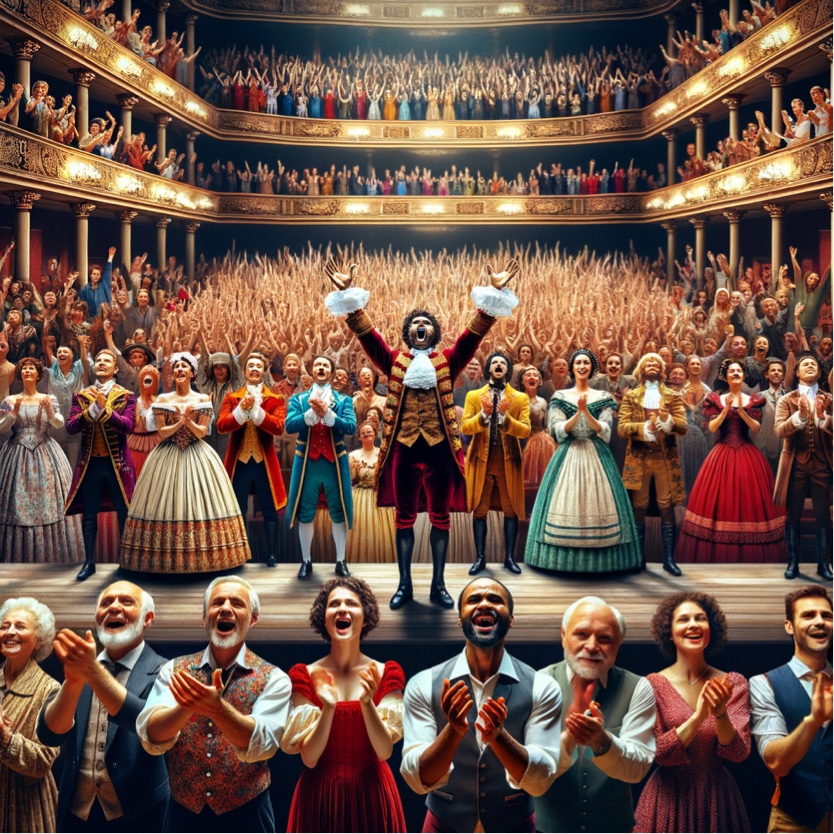
The Evolution of Opera Houses: From Palaces to Community Centers 🏛️
As opera gained popularity, the demand for dedicated performance spaces grew. The late 17th and 18th centuries saw the construction of grand opera houses, which became symbols of cultural prestige. The Teatro di San Carlo in Naples (1737) and La Scala in Milan (1778) are prime examples of opulent venues that showcased the best of operatic talent.
The Rise of Regional Opera Houses
While major cities enjoyed lavish opera houses, many small towns established their own venues to bring the art form closer to home. These local opera houses fostered a sense of community and provided a platform for aspiring artists to perform.
Characteristics of Small Town Opera Houses:
- Intimacy: Smaller audiences allow for a more personal connection between performers and the audience.
- Diverse Programming: Many small opera houses offer a mix of classic and contemporary works, catering to various tastes.
Copy the question and post in Ask Link
What role do small-town opera houses play in preserving the art form and nurturing local talent? 🏡
The Impact of Technology on Opera: A New Era of Performance 💻
In recent decades, technology has revolutionized opera performances. From advanced sound systems to stunning visual effects, the integration of new tools has transformed the operatic experience.
Innovations in Production
Modern opera productions often incorporate multimedia elements, including projections and elaborate stage designs. For instance, the Metropolitan Opera has embraced live-streaming, reaching global audiences and making opera accessible to those who may not have the opportunity to attend in person.
Key Technological Advancements:
- Digital Streaming: Live broadcasts and on-demand content have broadened the audience base and provided new revenue streams.
- Enhanced Sound Systems: Improved acoustics and sound amplification ensure that the artist’s voices reach every corner of the venue.
Copy the question and post in Ask Link
How has technology changed your perception of opera, and do you believe it enhances or detracts from the art form? 🎤
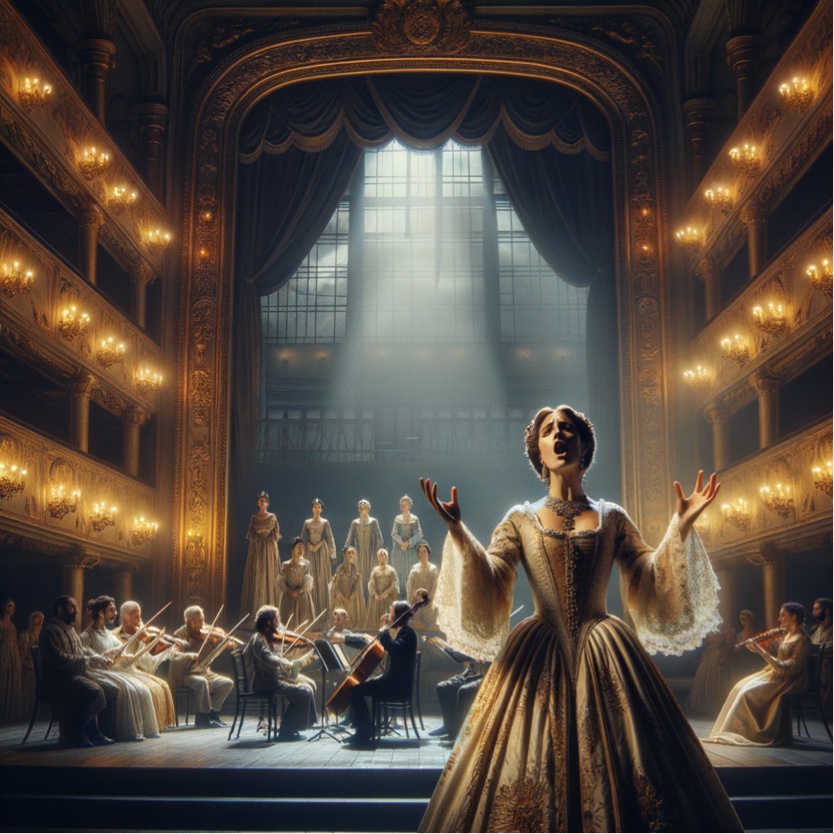
Training the Artists: The Journey to Mastering the Arias 🎼
The road to becoming an accomplished opera singer is both rigorous and rewarding. Aspiring artists typically undergo extensive training to hone their vocal capabilities and performance skills.
The Vocal Technique
Opera singers must master a unique vocal technique that allows them to project their voices over orchestras without microphones. This requires years of practice, often beginning in childhood.
Essential Training Components:
- Breath Control: Developing the ability to manage breath is crucial for sustaining long phrases and executing powerful notes.
- Diction: Clear enunciation in multiple languages (usually Italian, French, and German) is essential for conveying the story.
The Role of Conservatories and Masterclasses
Many opera singers attend prestigious conservatories, where they receive formal education and training. Masterclasses with seasoned professionals provide invaluable hands-on experience and feedback.
Copy the question and post in Ask Link
What qualities do you think are essential for an aspiring opera singer to develop during their training? 📚
The Enduring Popularity of Opera: A Cultural Legacy 🎉
Despite the rapid changes in entertainment preferences, opera continues to capture the hearts of audiences worldwide. Its rich emotional narratives and exquisite music resonate with people of all ages.
The Relevance of Opera Today
As society evolves, so does opera. Contemporary works tackle modern themes and issues, making the genre more relatable to younger generations. Productions like The (R)evolution of Steve Jobs have redefined what opera can be, blending traditional elements with innovative storytelling.
Factors Contributing to Popularity:
- Accessibility: Streaming services and community productions have opened the door for more people to experience opera.
- Crossover Artists: Collaborations between classical singers and pop artists have introduced opera to new audiences.
Copy the question and post in Ask Link
What do you think the future holds for opera as it adapts to contemporary culture? 🌍
Conclusion: A Timeless Art Form for Generations to Come ⏳
From its origins in 16th-century Italy to the innovative performances of today, opera remains a powerful art form that continues to evolve. The combination of stunning vocal performances, compelling narratives, and technological advancements ensures that opera will captivate audiences for generations to come. Whether enjoyed in grand theaters or cozy local venues, the magic of opera endures, reminding us of the beauty of storytelling through music.