In the bustling suburbs and quaint neighborhoods of the United States, the average size of new homes has undergone a remarkable transformation since the late 1950s. What was once a modest dwelling has evolved into a sprawling sanctuary, reflecting the desires and needs of modern families. This shift isn’t merely a trend—it’s a response to consumers’ evolving lifestyles, preferences, and the economic landscape.
A Journey Through Time: Home Size Expansion 📏
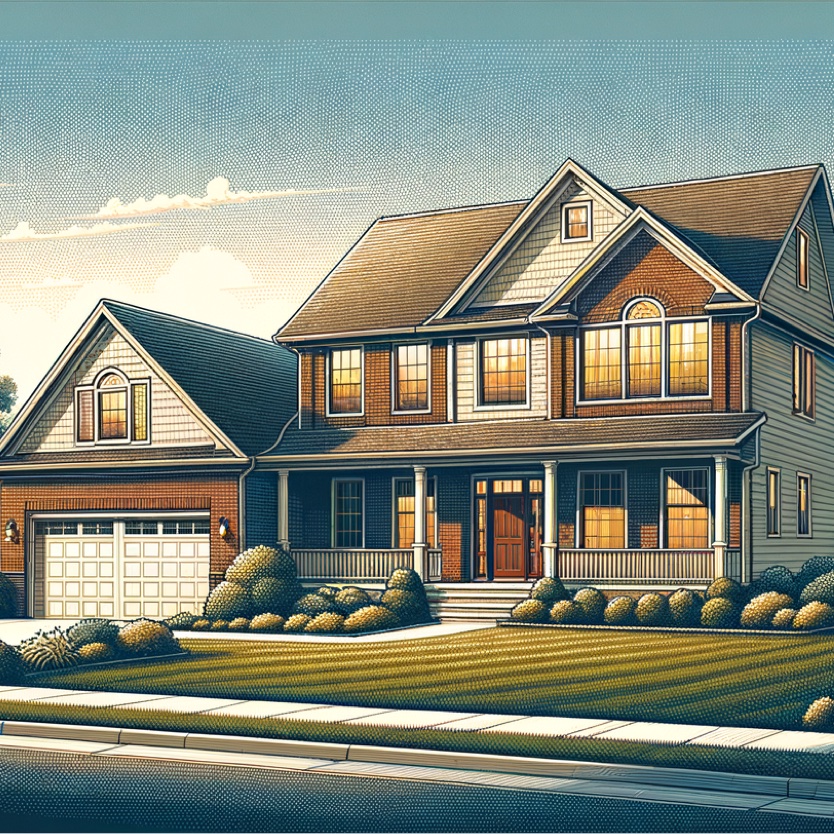
The journey of the average American home size is quite extraordinary. In the late 1950s, the average new home was approximately 1,200 square feet, featuring two to three bedrooms and one to two bathrooms. Fast forward to today, and the average size has ballooned to around 2,500 square feet, often boasting four or more bedrooms, multiple bathrooms, and expansive living spaces.
- 1950s: Average size – 1,200 sq ft
- 2021 (recent data): Average size – 2,500 sq ft
(Source: NAHB)
This increase in size has not occurred in a vacuum; it reflects changing family structures, where multi-generational living and the desire for home offices have become more common. The focus has shifted toward accommodating larger families, offering more bedrooms and baths, and providing ample room for leisure and work.

Questions to Explore: Copy question to Ask Link for more information
- How have changing family dynamics influenced home sizes over the decades?
- In what ways do modern features like home offices affect the design of new homes?
Consumer Demand: Driving the Shift in Home Design 💡
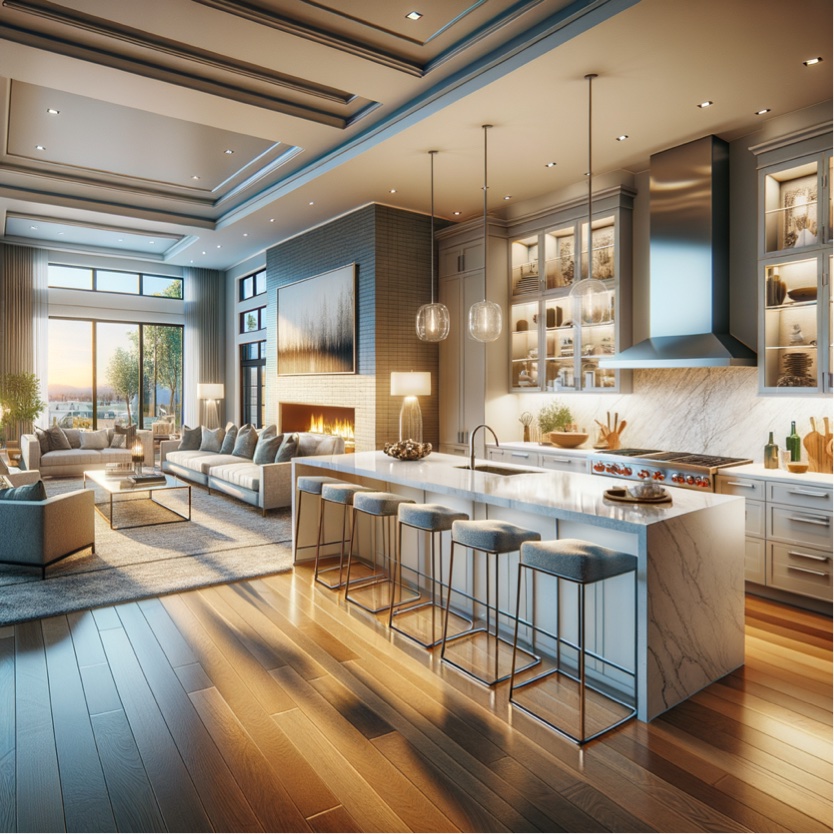
At the heart of this transformation lies the consumer. Today’s homebuyers are increasingly discerning, seeking homes that cater to their specific needs. Features like open floor plans, gourmet kitchens, and multipurpose spaces have become standard requests.
The demand for additional bedrooms and bathrooms has surged, with families desiring personal space and privacy. According to the NAHB, the typical new home now has an average of 3.3 bedrooms and 2.4 bathrooms, compared to just two bedrooms and one bathroom in the 1950s. Additionally, garage spaces have expanded, reflecting the growing number of vehicles per household. This consumer-driven market is shaping the way builders design and construct homes, ensuring they align with buyer expectations.
Questions to Explore: Copy question to Ask Link for more information
- What specific features are most sought after in new home designs?
- How do builders balance consumer demands with construction costs?
The Impact of Land Prices on Home Size 🌍
As the landscape of new home construction shifts, land prices play a crucial role in determining home size. With urban sprawl and the growing demand for housing, land values have soared. Many lenders prefer a land-to-home value ratio of approximately 20-25%, which means that as land prices increase, builders may respond by constructing larger homes to maintain this ratio.
This trend can lead to a paradox where high land costs drive the need for larger homes, thereby impacting affordability. Buyers may find themselves purchasing bigger homes, often at a higher price point, in order to fulfill both the lender’s criteria and their own needs for space.
Questions to Explore: Copy question to Ask Link for more information
- How do regional variations in land prices affect home construction?
- What strategies are builders employing to maintain affordability amid rising land costs?
Conclusion: The Future of Home Construction in America 🏠
The evolution of home construction in America is a testament to the changing desires of consumers and the economic factors that shape our environments. As home sizes continue to grow and adapt, it’s clear that the future of home construction will reflect an ongoing dialogue between builders, buyers, and the land that supports them.
As we look ahead, it will be fascinating to see how these dynamics continue to shape the American dream of homeownership.
Additional Resources:
- National Association of Home Builders (NAHB) – Home Size Trends
- U.S. Census Bureau – Characteristics of New Housing
- National Association of Realtors – Housing Market Trends
- Pew Research Center – The Changing Demographics of American Households