
Concrete Dreams: The Future of Residential Construction 🏡

Discover the pros and cons of residential homes made with concrete panels, including cost, maintenance, and more!
Building a home is one of life’s most significant milestones. Whether you crave the warmth of traditional wood or the modernity of concrete, the construction method you choose can greatly impact your home’s longevity and efficiency. In recent years, concrete panels have gained traction as a viable alternative to conventional wooden stick-built homes. Let’s explore the pros and cons of this innovative approach to residential construction while also highlighting a few key providers in the industry.
The Concrete Advantage: Why Choose Concrete Panels? 💪
1. Cost-Effectiveness Over Time
While the initial building costs of concrete panel homes can be higher than those of traditional wooden homes, they often yield savings in the long run. Concrete is incredibly durable, reducing the need for frequent repairs or replacements that regular wood might demand. With rising lumber prices, many contractors are finding that the long-term investment in concrete pays off.
2. Fast Construction Timeframe
Concrete panels can speed up the construction timeline significantly. Prefabricated panels can be manufactured off-site, allowing for quicker assembly on-site. This means less time on the job for contractors and faster occupancy for homeowners.
3. Low Maintenance
Wooden homes require regular maintenance such as painting, sealing, and insect prevention. In contrast, concrete is resistant to pests, rot, and weather-related damage, making it a low-maintenance choice that frees up time and money for homeowners.
4. Insurance Benefits
Due to their durability and fire resistance, homes built with concrete panels often enjoy lower insurance premiums. This can be a significant cost-saving aspect over time.

The Concrete Drawbacks: Challenges to Consider ⚠️
1. Initial Investment Costs
The upfront costs for concrete construction can be higher than for traditional wood homes. This may deter potential homeowners who are budget-conscious, despite the long-term savings benefits.
2. Aesthetic Limitations
While concrete provides a modern look, homeowners who prefer the warmth and character of wood may find concrete to be less visually appealing. Customization options exist, but they can add to costs.
3. Potential for Cracking
While concrete is strong, it can crack under certain conditions, such as improper installation or extreme temperature changes. Homeowners need to be aware of geographic factors that may play a role in this potential issue.
4. Energy Efficiency Concerns
Concrete can be less energy-efficient if not properly insulated. While it provides excellent thermal mass, homes may require additional insulation to avoid high heating and cooling costs.
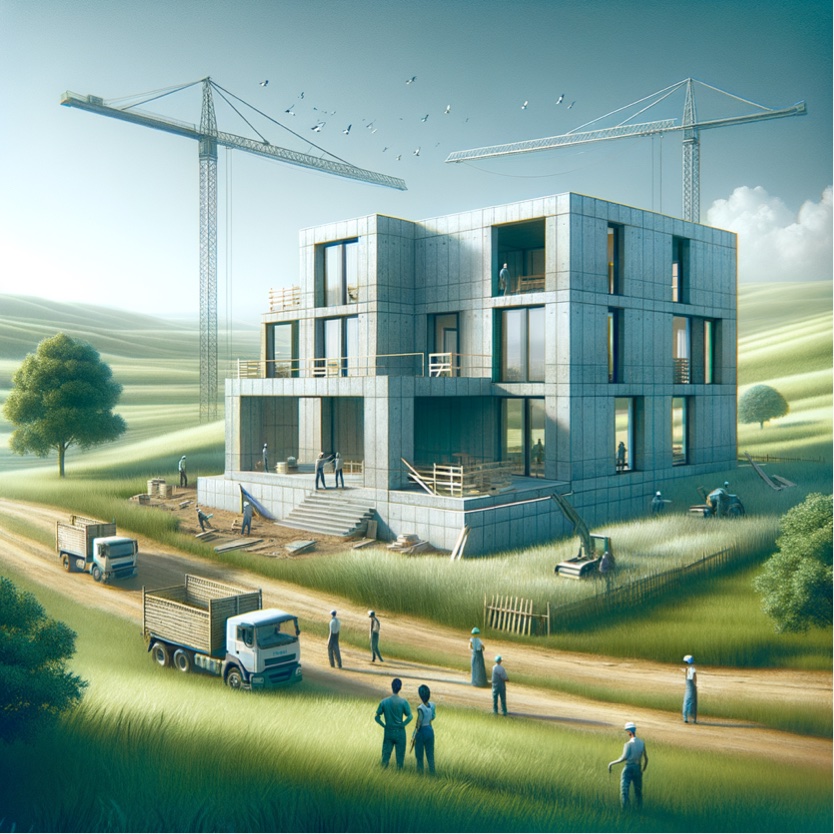
A Growing Trend: Concrete vs. Wooden Homes 📈
Today, there’s an increasing interest in concrete panel homes, particularly in areas prone to natural disasters where wood construction may pose a higher risk. It is estimated that a growing number of homes are being built with concrete panels compared to traditional wooden structures, especially in regions affected by wildfires and hurricanes.
Notable Providers: Leading the Way in Concrete Construction 🏗️
- Everlogs: Specializing in log homes made from concrete, Everlogs combines modern technology with traditional design to create stunning structures that mimic the look of logs.
- Siemens Building Technologies: Offering a range of prefabricated concrete solutions, Siemens aims to make construction more efficient with modular building techniques.
- Sika Group: Known for their innovative construction solutions, Sika provides various concrete products that enhance the durability and aesthetics of residential buildings.
Explore Further Questions ❓Copy and paste questions to Ask Link.
- What are the long-term savings associated with concrete panel homes?
- How does the construction timeline of concrete compare to traditional methods?
- What insulation options are available for concrete panel homes?
- Are there regional differences in the popularity of concrete versus wooden homes?
Conclusion
Building with concrete panels presents a compelling case for modern home construction. While there are pros and cons to consider, the growing trend suggests that concrete homes will play an essential role in the future of residential construction. Whether you’re drawn to the durability, the speed of construction, or the lower maintenance requirements, concrete could very well pave the way to your next dream home.
Additional Resources
- Concrete Homes: The Advantages of Concrete Construction (Video)
- The Future of Building: Concrete vs. Wood
Feel free to explore these resources and consider whether concrete construction could be a fit for your dream home!