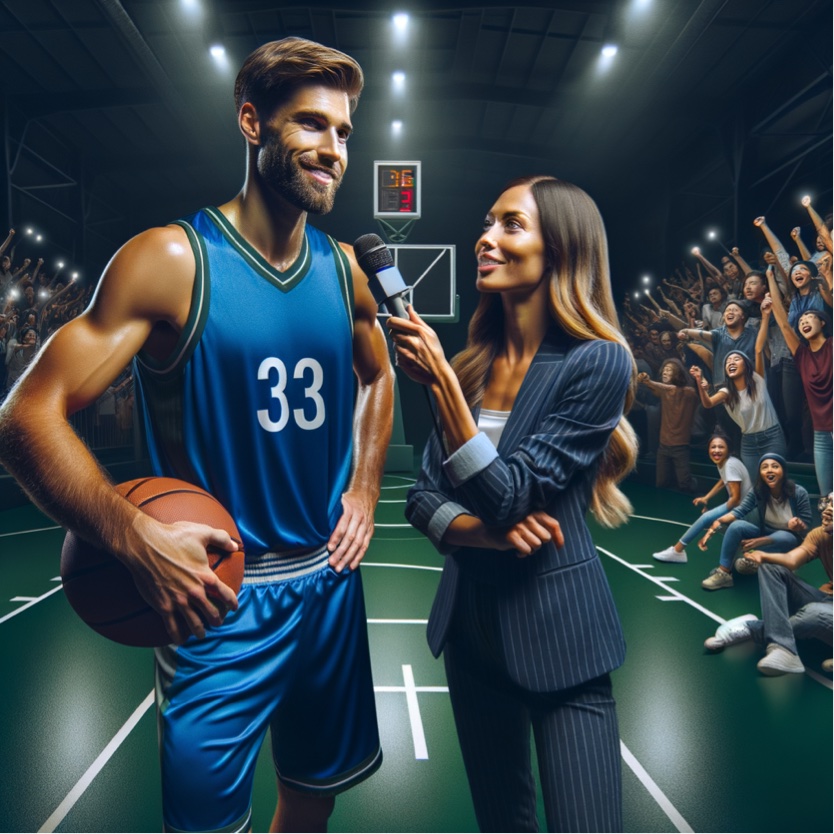
Title: The New Era of NCAA Athletics: Understanding NIL Payouts for Student Athletes 🏆
In recent years, the landscape of NCAA athletics has undergone a transformative shift with the introduction of Name, Image, and Likeness (NIL) rights for student athletes. Imagine a talented college quarterback not just winning games but also signing endorsement deals with local businesses. This newfound ability for student athletes to monetize their own brand has raised numerous questions about how universities manage and facilitate these collaborations. Let’s explore how universities establish their NIL funding, the limitations they face, and the opportunities available to student athletes themselves.
Establishing NIL Funding: The University’s Role 💼
Universities have taken significant steps to create robust frameworks for NIL funding. Typically, they establish partnerships with local businesses, alumni, and corporate sponsors to generate financial support for their athletic programs. These partnerships may include:
- Corporate Sponsorships: Universities often collaborate with national and local companies that want to promote their brands through student athletes.
- Alumni Contributions: Engaging alumni who have been successful in their careers can lead to generous donations aimed at supporting NIL initiatives.
- Collectives: Some universities are forming collectives—groups that pool resources to fund student athletes’ NIL opportunities.

For example, according to reports from 2023, the University of Alabama has reportedly raised over $1.7 million in NIL funding. Meanwhile, the University of Miami has gathered approximately $3 million, showcasing how schools with strong athletic programs and engaged alumni networks can leverage NIL opportunities.
COPY AND PASTE question to Ask LINK.
But how do universities decide which companies to partner with? What criteria do they use to ensure successful and beneficial relationships?
Are Universities Limited in Their NIL Funding? 💰
While universities aim to maximize NIL funding, they do face certain limitations. NIL agreements must adhere to NCAA guidelines, which prohibit direct payments from universities to athletes as compensation for their performance or commitment to the school. Instead, funds must come from third-party sources.
- Compliance Issues: Universities must navigate a complex regulatory environment to ensure they remain compliant with NCAA rules while also protecting their institution’s integrity.
- Limitations on Funds: The ability to raise NIL funds heavily depends on the university’s marketability, network, and resources available in the local community.

Some schools, like the University of Oklahoma, have raised around $1 million in NIL deals by leveraging their athletic reputation and local business connections.
What strategies do universities implement to attract potential sponsors? Are there best practices for maintaining compliance while maximizing funding?
The Role of Corporations: Seeking Contributions 📈
As universities look to build their NIL funding, they often reach out to corporations for contributions. This can take the form of:
- Brand Ambassadorships: Corporations may offer student athletes opportunities to become brand ambassadors, providing them with a platform to promote products or services.
- Sponsored Events: Universities may host events where companies can showcase their brands while student athletes engage with fans and promote their personal brands.
This raises an important question: How can universities best leverage these corporate partnerships to benefit their student athletes? What makes a successful sponsorship agreement?
Empowering Student Athletes: Raising Their Own NIL Money 🌟
One of the most exciting aspects of the NIL era is that student athletes are not solely dependent on their universities to generate income. They have the freedom to pursue their own opportunities for monetization through:
- Social Media: Student athletes can capitalize on their follower counts by promoting products on platforms like Instagram, TikTok, and Twitter.
- Personal Branding: Athletes are encouraged to build their personal brands, allowing them to attract sponsorship deals directly.

For instance, a recent study indicated that top college football and basketball players can earn between $20,000 to $800,000 annually through their own NIL activities, depending on their popularity and marketability.
However, this independence leads to some questions: What resources do student athletes need to effectively market themselves? Are there potential pitfalls they should avoid when negotiating contracts?
Conclusion: A New Chapter for NCAA Athletics 🎓
The introduction of NIL rights marks an exciting new chapter in NCAA athletics, allowing student athletes to harness their own potential and monetize their talents. Universities play a crucial role in establishing funding and partnerships, while athletes are empowered to pursue their own opportunities. Understanding the dynamics at play will be vital for all stakeholders as they navigate this evolving landscape.
Additional Resources
For those interested in delving deeper into NIL and its implications, consider these resources:
- NCAA Official NIL Guidelines – The NCAA’s official overview of NIL regulations and guidelines.
- On3 NIL Valuation – A platform providing insights and rankings for NIL valuations of college athletes.
- Sports Illustrated NIL Tracker – Comprehensive tracking of NIL deals signed by student athletes.