A Journey Through Time: The Origins of Flowers
Flowers have graced our planet for millions of years, evolving from ancient, seed-producing plants. The earliest flowers bloomed during the Cretaceous period, around 130 million years ago. These early blooms paved the way for a vast array of flowering plants, or angiosperms, that we cherish today.
Key Characteristics of Flowers
Anatomy of a Bloom 🌼
Flowers are not just about beauty; they are intricately designed structures serving the crucial role of reproduction in plants. Most flowers share these common characteristics:
- Petals: Often colorful and fragrant, petals attract pollinators like bees and butterflies.
- Sepals: These green, leaf-like parts protect the flower bud before it opens.
- Stamens: The male reproductive part, producing pollen.
- Pistil: The female reproductive part, which includes the ovary and stigma.
Pollination: Nature’s Symphony
Pollination is the process by which pollen from the stamens fertilizes the pistil, leading to seed formation. This can occur through wind, water, or animals. Flowers have evolved various traits, such as bright colors and sweet nectar, to attract pollinators, ensuring their species’ survival.
Questions for Exploration:
- How do different pollinators impact the evolution of flower traits?
- What are some unique pollination strategies in the plant kingdom?
Popular Varieties of Flowers
Roses: The Timeless Classic 🌹
Roses are synonymous with love and beauty. With over 300 species, they come in a rainbow of colors. Each color holds a unique meaning; for instance, red symbolizes love, while yellow represents friendship.
Tulips: The Symbol of Spring 🌷
These vibrant flowers are a harbinger of spring. Originating from Central Asia, tulips gained immense popularity in the Netherlands during the 17th century, leading to the famous “Tulip Mania.”
Orchids: Exotic Elegance 🌺
Orchids are one of the largest families of flowering plants, known for their intricate and diverse blooms. They thrive in a variety of environments, from tropical rainforests to arid deserts.
Questions for Exploration:
- What are some lesser-known varieties of orchids?
- How has tulip cultivation changed over the centuries?

Cultural Significance: Flowers in Human Life
A Language Without Words
Flowers have been used to communicate sentiments and emotions throughout history. The “language of flowers,” or floriography, was especially popular in the Victorian era, allowing people to convey messages without words.
Celebrations and Rituals
Flowers play a crucial role in celebrations around the world. From weddings to funerals, they symbolize life’s significant milestones. In Hindu culture, marigolds are often used in festivals and religious ceremonies as symbols of auspiciousness.
Healing and Wellness
Beyond their ornamental value, flowers are also used in traditional medicine. Lavender and chamomile, for example, are known for their calming properties and are often used in aromatherapy.
Questions for Exploration:
- How do different cultures use flowers in their traditional ceremonies?
- What are the healing properties of various flowers?
Flowers in Everyday Life: Scenarios and Stories
A Blossoming Romance
Imagine a couple on a first date, where a single red rose sets the mood for romance. The timeless gesture of giving flowers can express emotions that words often fail to capture.
Nature’s Therapy
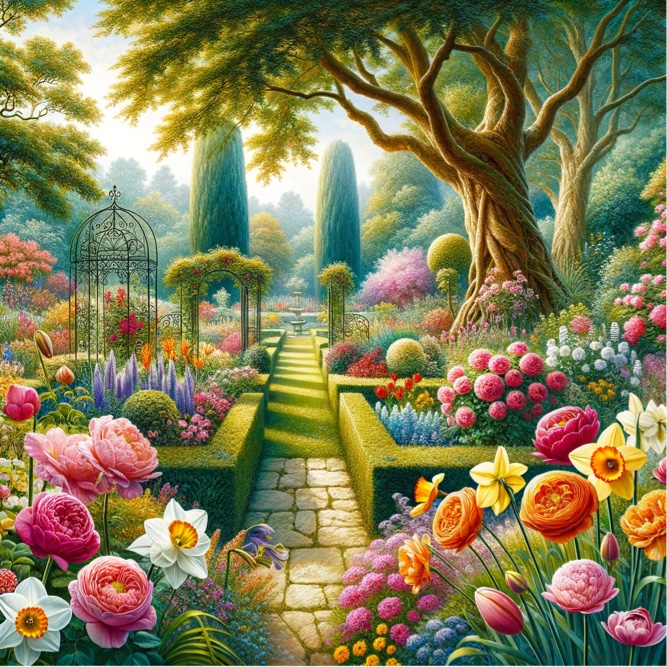
Picture a serene garden full of vibrant flowers. As you walk through it, the sights and smells instantly lift your spirits, providing a natural antidote to stress.
Celebrating Life’s Moments
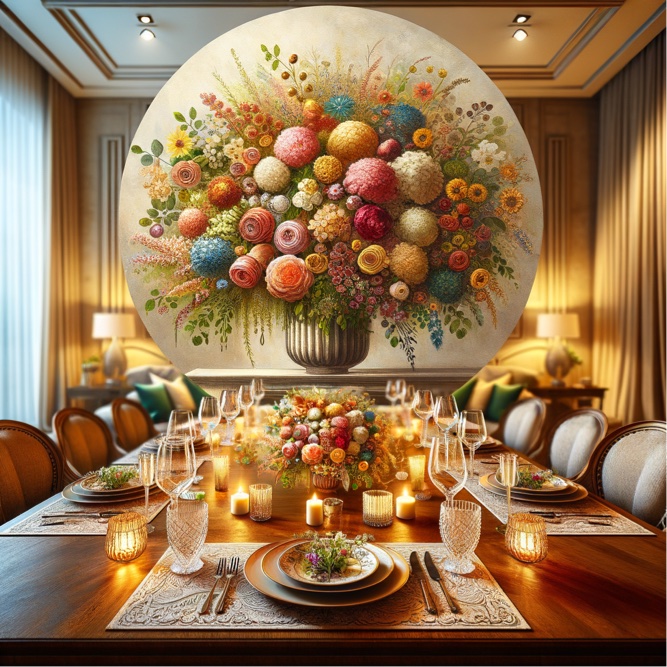
Think of a wedding adorned with fragrant lilies and delicate baby’s breath. Flowers create a festive atmosphere, enhancing the beauty of life’s special occasions.
For those captivated by the beauty and significance of flowers, exploring their diverse world offers endless fascination and inspiration. Whether it’s through gardening, cultural traditions, or simply enjoying a bouquet, flowers enrich our lives in myriad ways.
A few resources where you can explore more about the history, cultural significance, and uses of flowers:
- Kew Gardens – The Royal Botanic Gardens, Kew
- Link: Kew Gardens
- This site offers extensive information about plant species, including flowers, their history, and cultural uses worldwide.
- Smithsonian Gardens – Horticultural Library and Archives
- Link: Smithsonian Gardens
- The Smithsonian Gardens provide rich resources on the historical and cultural significance of flowers, along with curated exhibitions and research.
- The Flower Expert – Online Flower Encyclopedia
- Link: The Flower Expert
- A comprehensive guide to flowers, including their history, symbolism, and various cultural uses across different societies.
- FloraCulture International – Global Floriculture Industry
- Link: FloraCulture International
- Offers insights into the global floriculture industry, including trends, cultural impacts, and the economic role of flowers worldwide.
- American Botanical Council – Herbal and Botanical Information
- Link: American Botanical Council
- Provides research and information on the ethnobotanical uses of flowers and plants, highlighting their cultural and medicinal applications.
These resources should give you a deeper understanding of the multifaceted roles that flowers play in cultures around the world. 🌸