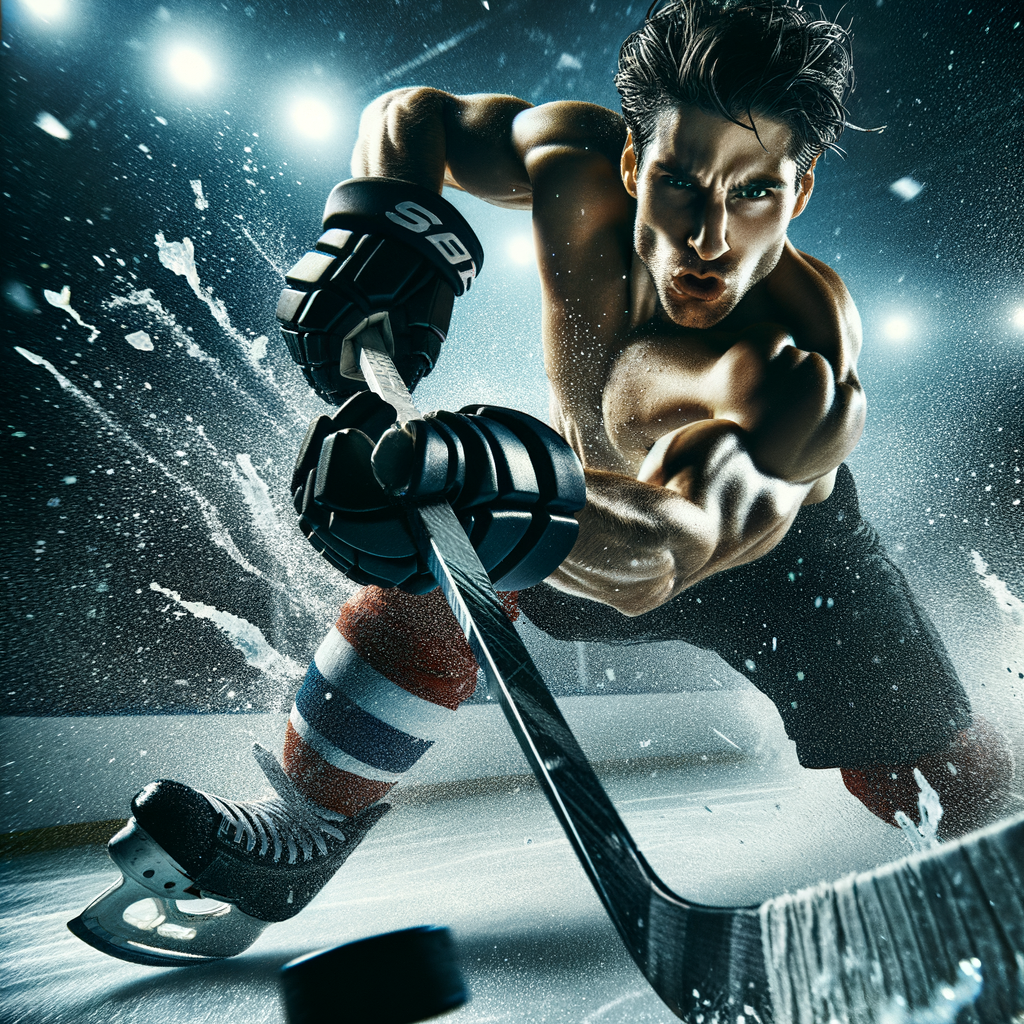
Ice hockey is a sport renowned for its speed, strategy, and sheer physicality. Among the myriad skills that players develop, the slap shot stands out as one of the most exhilarating and impactful maneuvers on the ice. This article explores the art of the slap shot, delving into its history, mechanics, training techniques, and its enduring significance in modern hockey.
📜 A Brief History of the Slap Shot
The slap shot has been a fundamental component of ice hockey for decades, evolving alongside the sport itself. Early hockey relied heavily on wrist shots and backhands, but as the game intensified and players sought ways to gain an edge, the need for more powerful shots became evident. The slap shot emerged as the solution, offering players the ability to deliver the puck with unprecedented speed and force.
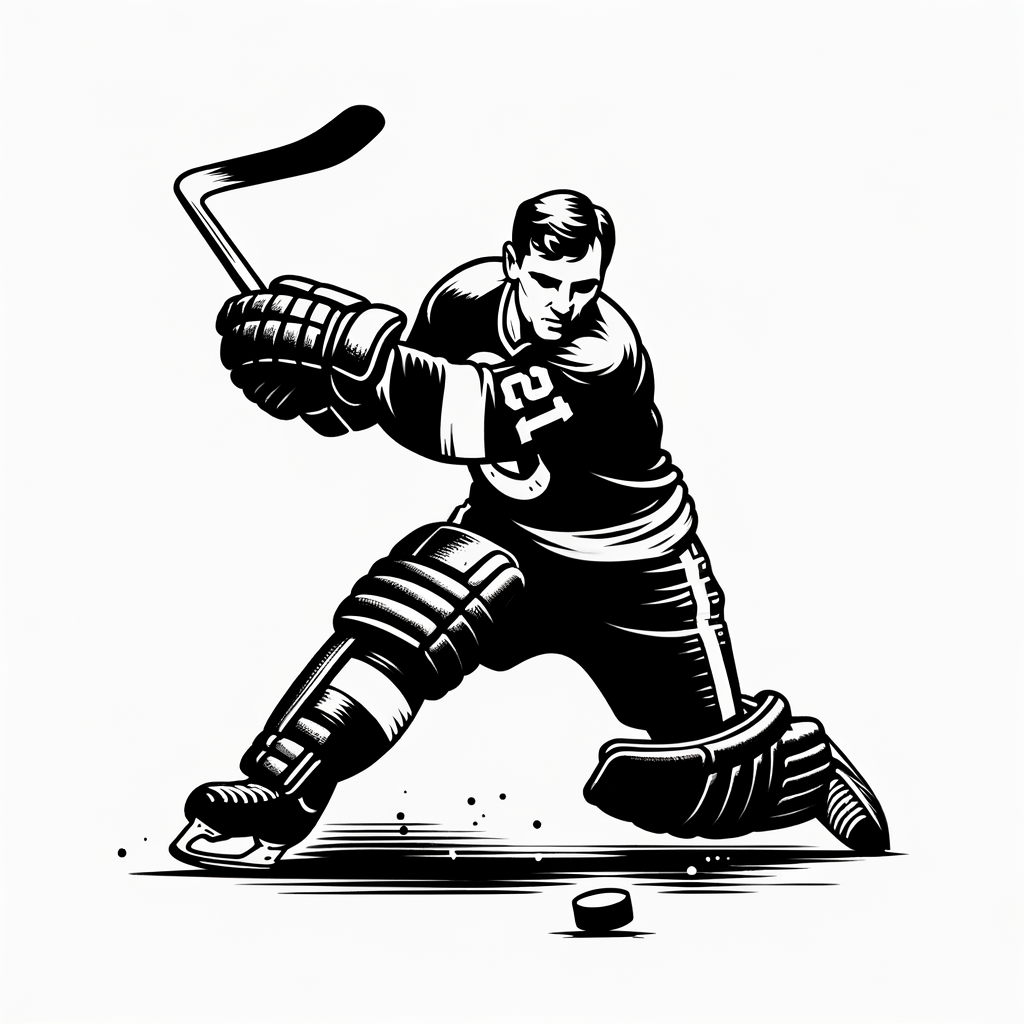
Legends like Bobby Hull and Denis Savard were pioneers in popularizing the slap shot, demonstrating its effectiveness in professional play. Hull, known as the “Golden Jet,” was celebrated not only for his speed but also for his devastating slap shot, which could intimidate even the most seasoned goaltenders. These early adopters inspired generations of players to refine their slap shot technique, cementing its place in the hockey lexicon.
Have you ever watched a player unleash a powerful slap shot that leaves everyone in awe?
🔧 Understanding the Mechanics
At its core, the slap shot is a sophisticated blend of power and precision. Mastering this technique involves understanding and perfecting several key components:
- 🏋️♂️ Grip and Stance:
- Grip: Players hold the stick with both hands, the top hand near the end of the stick and the bottom hand about halfway down. A firm, yet flexible grip allows for optimal energy transfer.
- Stance: A wide stance with knees slightly bent provides stability and balance. Weight is typically distributed evenly between both feet, ready to shift during the shot.
- 🔄 Windup:
- The player brings the stick back in a controlled motion, often raising it above the head or to the side. This movement builds potential energy that is crucial for generating power.
- 🚶♂️ Stride and Weight Transfer:
- As the stick approaches the puck, the player steps forward with the front foot, transferring weight from the back leg to the front. This dynamic motion adds momentum to the shot, enhancing its speed.
- 🎯 Contact Point:
- The stick blade strikes the puck, usually near the heel or lower part of the blade. The angle and timing of contact are critical for both power and accuracy.
- ➡️ Follow-Through:
- After the puck is released, the stick continues its motion towards the target. A strong follow-through ensures that the maximum amount of energy is transferred to the puck, directing it precisely where intended.
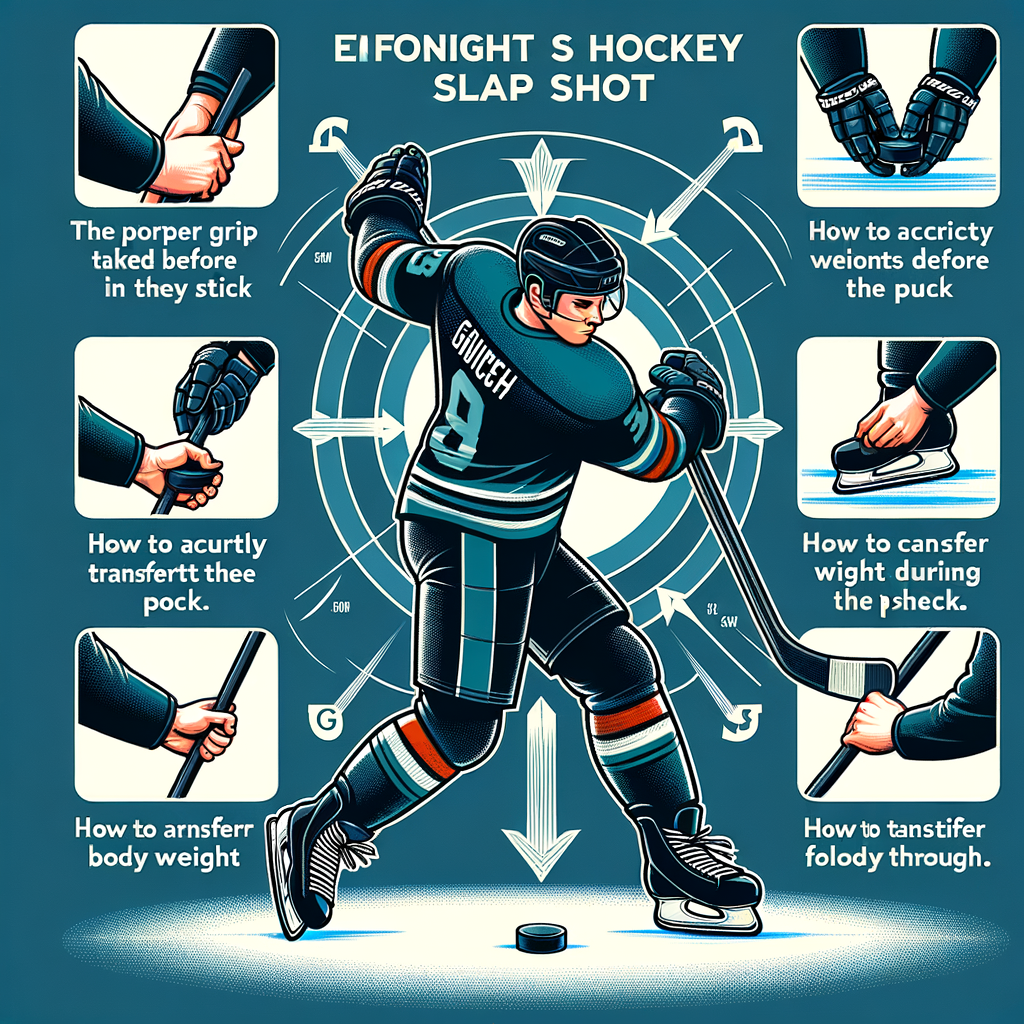
Which part of the slap shot mechanics do you find most challenging to master?
🛠️ Equipment Matters
The effectiveness of a slap shot is influenced by the equipment used:
- 🏒 Stick: Modern composite sticks offer greater flexibility and durability compared to traditional wooden sticks. The stick’s flex, length, and blade pattern play significant roles in shot performance. Players often choose sticks that complement their shooting style and physical attributes.
- 🛡️ Protective Gear: Helmets, pads, and gloves not only protect players but also allow them to execute slap shots safely, even at high speeds. Quality gear ensures that players can focus on their technique without worrying about injury.
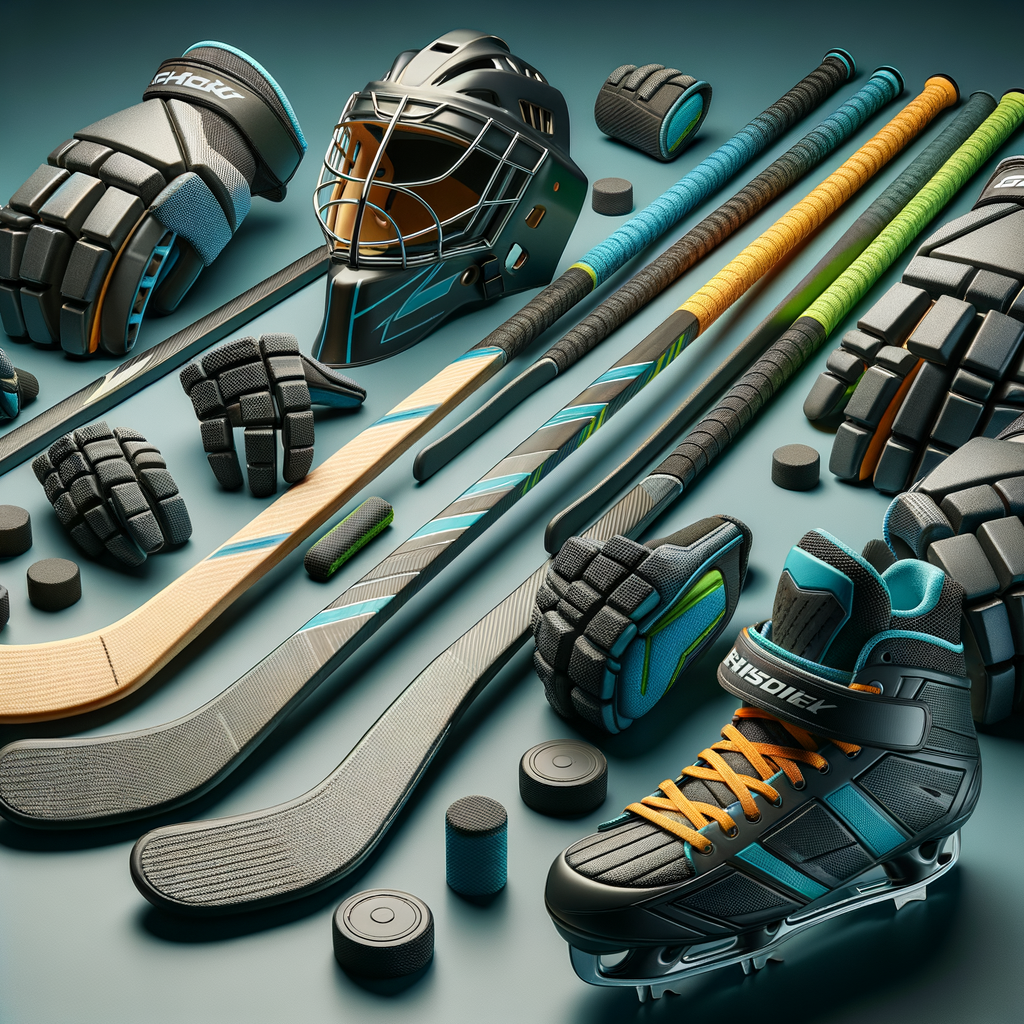
How does your equipment choice affect your performance on the ice?
💪 Training and Practice
Mastering the slap shot requires diligent training and consistent practice:
- 🏒 On-Ice Drills: Players engage in specific drills that emphasize the mechanics of the slap shot, focusing on elements like windup, weight transfer, and follow-through. Repetition helps build muscle memory, making the shot more natural during game situations.
- 🏋️♀️ Strength and Conditioning: Physical strength, particularly in the legs, core, and upper body, is essential for generating power. Conditioning exercises, such as squats and plyometrics, contribute to overall shot strength and endurance.
- 🎯 Accuracy Training: Beyond power, accuracy is paramount. Players practice targeting specific areas of the net, often using cones or other markers to simulate goaltenders and defensive barriers.
What training methods have you found most effective for improving your slap shot?
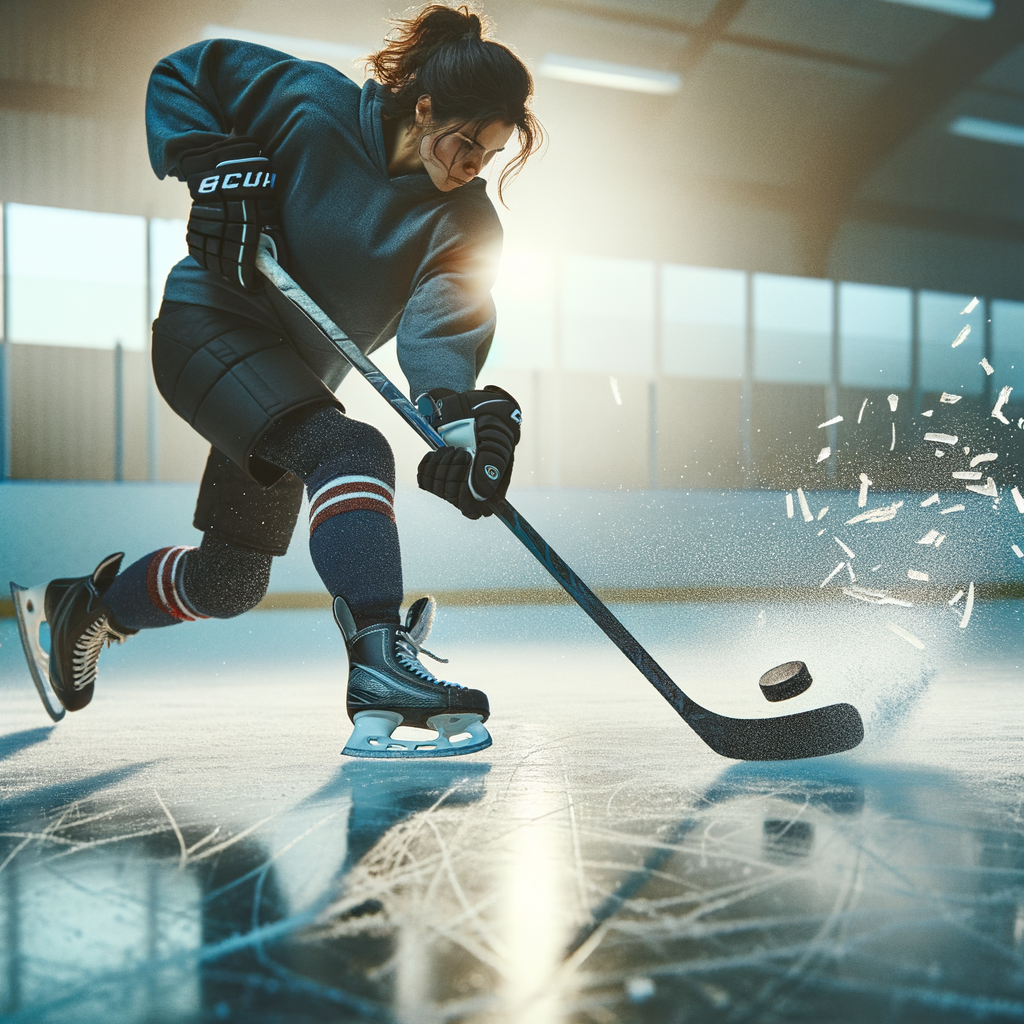
🏆 Famous Slap Shots in Hockey History
Several iconic slap shots have left an indelible mark on hockey history:
- ⚡ Bobby Hull’s 105 mph Shot: Often cited as one of the fastest shots ever recorded, Hull’s slap shot was legendary for its sheer speed and ability to change the momentum of a game.
- 🔥 Alexander Ovechkin’s Powerful Strikes: Modern stars like Ovechkin continue the tradition, using their formidable slap shots to dominate on the ice and secure crucial goals.
- 🎯 Shea Weber’s Consistent Accuracy: Weber is renowned not only for the power of his slap shot but also for his ability to place the puck precisely, making him a constant scoring threat.
Which legendary slap shot do you aspire to emulate in your own game?
🌟 The Slap Shot in Modern Hockey
In today’s fast-paced and highly competitive hockey landscape, the slap shot remains a vital skill. While the game emphasizes speed and agility, the ability to unleash a potent slap shot can be a game-changer, especially during power plays or critical moments. Coaches incorporate slap shot training into regular practice routines, ensuring that players can rely on this technique when needed.
Moreover, advancements in equipment technology have enhanced the effectiveness of slap shots, allowing players to achieve greater speeds and accuracy than ever before. The combination of refined technique and superior equipment ensures that the slap shot continues to evolve, maintaining its status as a cornerstone of offensive strategy in hockey.
How do you integrate slap shot practice into your overall training regimen?
🏁 Conclusion
The slap shot is a testament to the artistry and athleticism inherent in ice hockey. Its mastery requires a harmonious blend of technique, strength, and precision. From its historical roots to its modern-day applications, the slap shot remains a powerful tool for players aiming to excel on the ice. Whether you’re an aspiring young player or a seasoned veteran, dedicating time to perfecting the slap shot can elevate your game, leaving a lasting impact on the ice.
Embracing the art of the slap shot not only enhances individual performance but also contributes to the dynamic and thrilling nature of hockey, making each game a showcase of skill and passion.
Explore More About Key Concepts
To deepen your understanding of the slap shot and its role in ice hockey, consider exploring these resources:
- How to Master the Slap Shot: Explore this comprehensive guide by Sports Illustrated offering tips and techniques on improving your slap shot mechanics.
- History of the Slap Shot: Check out this article by NHL.com to learn about the evolution and historical significance of the slap shot in professional hockey.
- Equipment Innovations: Discover the latest in hockey stick technology on HockeyMonkey, featuring reviews and recommendations for the best equipment to enhance your slap shot.
- Training Regimens: Visit Coach’s Corner for detailed training plans and exercises focused on building strength and accuracy for your slap shot.
By exploring these resources, you can gain a deeper insight into the artistry and technique that make the slap shot a pivotal element of ice hockey.