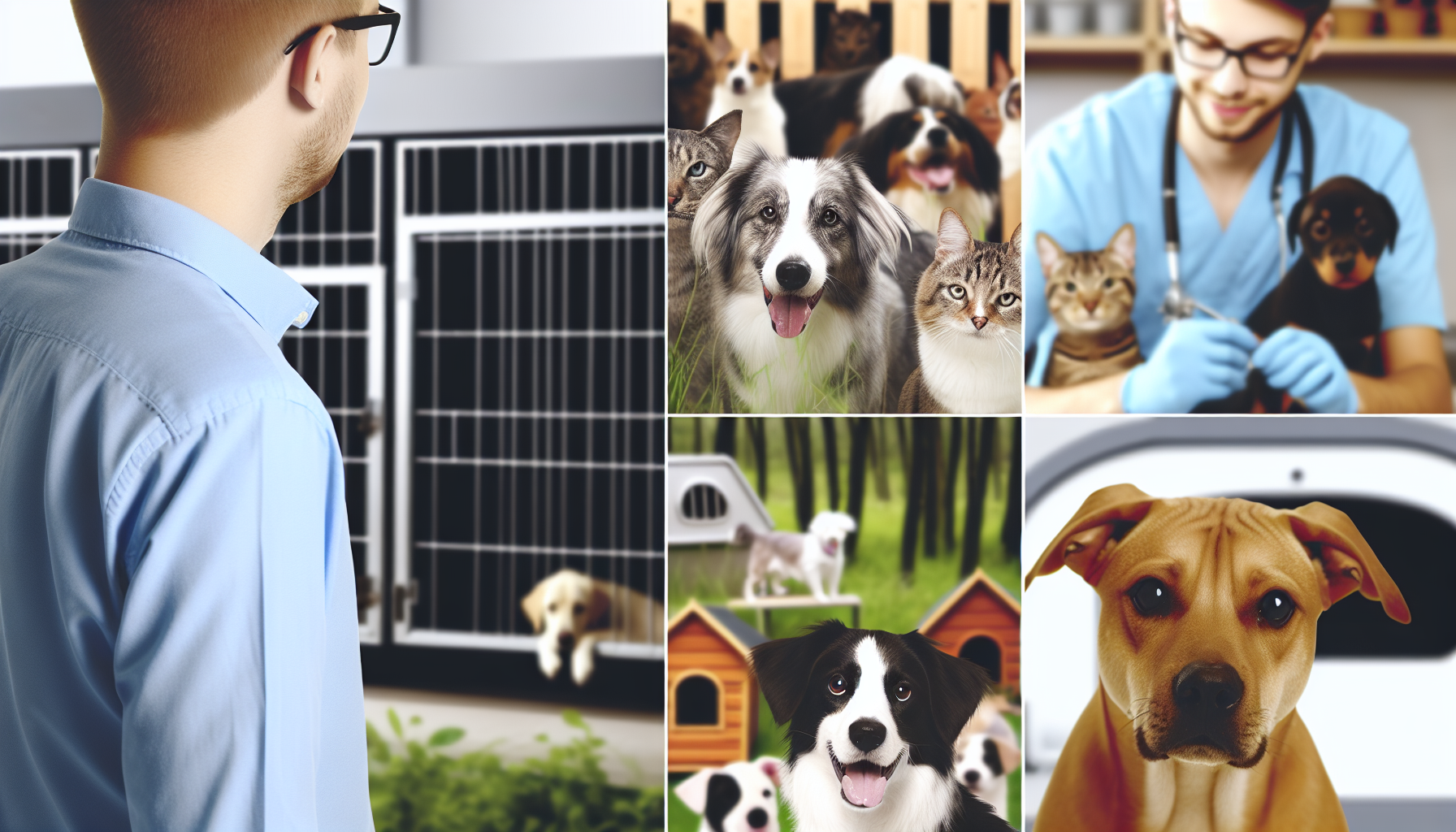
Title: Animal Shelter State of Affairs: How Inflation is Straining Pet Adoption and Care
Topic Story: When Saving a Life Gets Too Expensive
In 2019, Stephanie adopted her second rescue dog from a local shelter. Back then, the adoption fee was manageable, pet food was affordable, and her vet offered spay and neuter services at a subsidized cost. Fast forward to 2024, and her local shelter has a waitlist for surrenders, crowded kennels, and half the staff it used to have. Stephanie considered adopting again, but with grocery bills up 25% and vet bills climbing, she put the idea on hold indefinitely.
Across the country, similar stories are unfolding. Since 2020, inflation has touched every corner of American life—and animal shelters haven’t been spared. From fewer adoptions to postponed vaccinations, the ripple effect of economic pressure is pushing shelters to a breaking point.
Adoptions on Pause: When Hearts Say Yes but Wallets Say No
Animal shelters rely on public adoptions to make room for new rescues. But as the cost of living surged, so did the cost of pet ownership. Veterinary care has gone up by nearly 10% year over year, and pet food prices have followed suit. For many would-be pet parents, adopting a new dog or cat now comes with a price tag they simply can’t afford.
Shelters that once saw high turnover in animals are now reporting longer stays for pets—especially large dogs and senior animals. This stagnation leads to overcrowding, which increases stress on animals and staff alike.
Question: How can economic modeling predict future adoption trends based on inflation rates?
The Cost of Not Fixing Pets: A Spay and Neuter Crisis
Spaying and neutering pets is one of the most effective ways to control animal population. But these procedures, which once averaged $100–$300, have become less accessible due to rising vet costs and decreased availability of low-cost clinics. Pandemic-related closures and subsequent staff shortages made it worse.
As fewer animals are sterilized, more litters are born—many of which end up in shelters. This cycle leads to a surge in stray animals and overpopulated shelters, creating a crisis in communities already struggling with limited animal control resources.
Some cities have seen intake numbers return to pre-2015 highs, reversing years of progress in reducing shelter overpopulation.
Question: What are the long-term population control impacts when spay/neuter programs are underfunded or inaccessible?
Shelters Under Pressure: Staff, Space, and Supplies
Shelter operations have also been affected by inflation. Staffing shortages, increased utility costs, and higher prices for basic supplies like food and cleaning products make daily operations harder. Many shelters have reported reduced hours or temporary closures due to funding gaps.
In rural areas, some facilities have had to turn away animals, leading to an increase in stray populations and animal abandonment. For staff and volunteers, burnout is at an all-time high.
Question: How can nonprofits optimize resource allocation during periods of economic stress to prevent service disruption?
Community-Based Solutions: A New Model for Rescue
Despite the challenges, many communities are stepping up with creative solutions. Foster-based rescue networks, mobile vet clinics, and public-private partnerships are helping to fill the gap. Education campaigns about responsible pet ownership and the benefits of adoption are also gaining traction.
Some shelters are waiving or reducing adoption fees during special events, supported by donors and grants, to encourage adoptions even in tight economic times.
Question: What role can grassroots and community-led initiatives play in supporting national animal shelter systems during financial downturns?
Further Reading & Resources
A detailed look at how inflation and economic shifts influence pet care and shelter intake.
Explores the importance of spay/neuter initiatives and how communities can sustain them.
Provides up-to-date data on shelter overcrowding, intake, and adoption metrics nationwide.
Lists resources and grants available for shelters and individuals struggling with pet expenses.