
BTS, Latin America, and the New Map of Global Pop Fandom
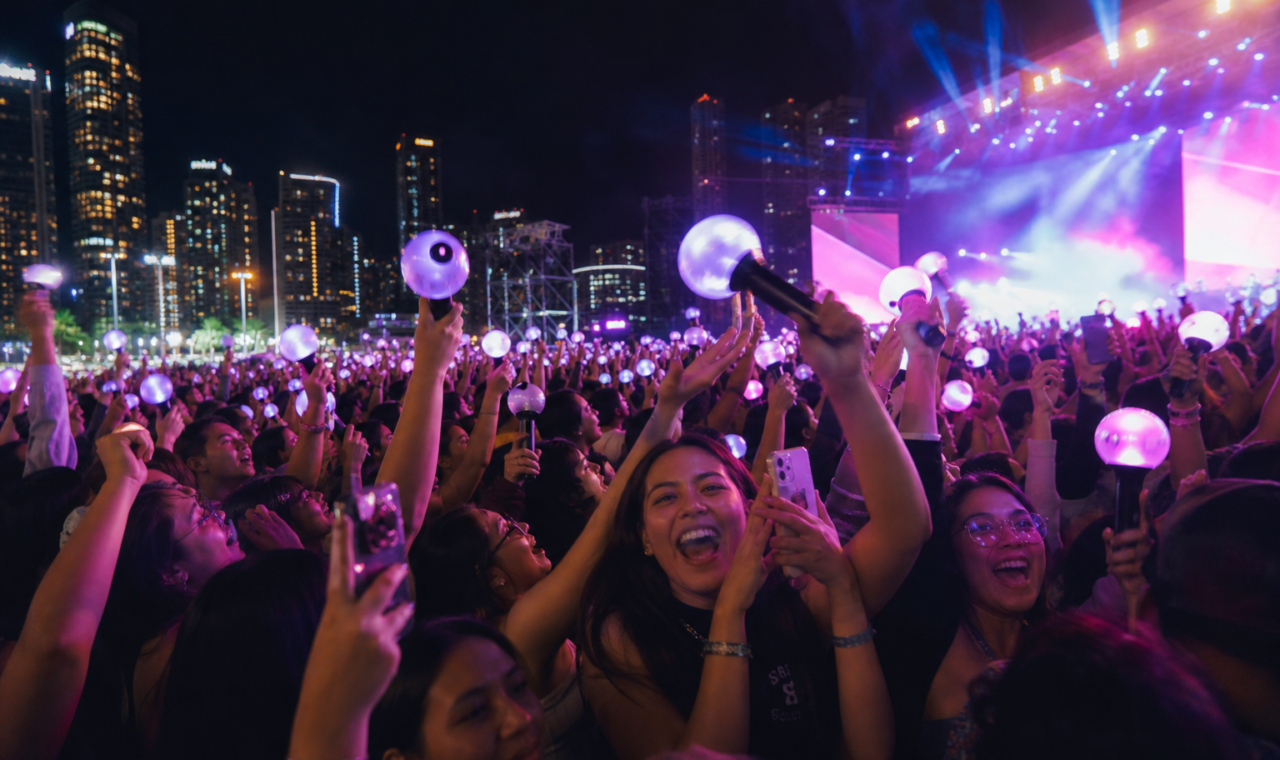
BTS’s momentum across Brazil, Mexico, Argentina, Peru, and wider Latin America shows how today’s global pop fandom is shaped by streaming, translation, local events, online communities, and cultural exchange.
BTS has become more than a successful pop group; it has become a case study in how global fandom now works. Across Latin America, from Brazil and Mexico to Argentina, Peru, Chile, Colombia, and beyond, fans do not simply consume music from afar. They translate, organize, stream, gather, trade, travel, and build communities that turn pop culture into a shared social language.
That momentum matters because it shows how music discovery has changed. A listener in São Paulo, Mexico City, Buenos Aires, or Lima does not need to wait for a local radio programmer or television channel to introduce a song. A fan-made playlist, a subtitled clip, a TikTok edit, a WhatsApp group, or a themed café event can become the entry point. BTS is one of the clearest examples of this shift, but the broader story is about the new map of global pop fandom: decentralized, multilingual, highly organized, and deeply emotional.
Why BTS fandom travels so well across borders
Part of BTS’s international appeal comes from the music itself: a catalog that moves between pop, hip-hop, R&B, dance, ballads, and introspective songwriting. But the larger engine is connection. Fans often describe discovering the group through a song, a performance clip, a recommendation from a friend, or a social post, then staying because of the storytelling, personalities, and sense of community around the artists.
In Latin America, that sense of community has particular force. The region has a long tradition of expressive fandom, from football culture and telenovela devotion to rock en español, reggaeton, anime conventions, and K-pop cover dance communities. BTS fandom fits into that landscape while also reshaping it. It brings together music, language learning, digital coordination, fan art, charity projects, local meetups, and identity expression.
The result is a fandom that feels both global and local. The same song may be streamed worldwide, but the way fans celebrate it in Brazil can look different from how fans gather in Mexico, Argentina, or Peru. Local language, public spaces, food, dance, humor, and regional internet culture all shape how the fandom is experienced.
Streaming momentum and the new mechanics of attention
Streaming has made fandom more visible. In earlier eras, global popularity was often measured through album shipments, radio rotation, television appearances, and ticket sales. Those still matter, but platforms now allow fans to participate in a more direct way. Listening, saving, sharing, adding songs to playlists, and creating short-form content all help shape what gets noticed.
BTS fans are known for taking streaming seriously, but the most interesting point is not simply that people press play. It is that fans educate one another about how platforms work, build listening communities, and coordinate around releases without needing a traditional media gatekeeper. A new listener might find a guide explaining the difference between a title track, a solo project, a collaboration, and an older album cut. Another fan might discover a lyric translation thread and follow it into a deeper understanding of the music.
In Latin America, this behavior intersects with everyday digital habits. Fans share updates through X, Instagram, TikTok, YouTube, Facebook groups, Telegram channels, Discord servers, and WhatsApp chats. The same fan may participate in a global streaming party at night, attend a local birthday event on the weekend, and watch Spanish- or Portuguese-language explainers during a lunch break.
This is a practical form of cultural distribution. It is not only marketing; it is peer-to-peer education. People are introducing one another to music, context, choreography, interviews, fashion references, and Korean language phrases in ways that feel approachable.
Brazil: scale, performance culture, and public celebration
Brazil has one of the most vibrant pop fandom environments in the world, and BTS sits comfortably inside that larger culture of high-energy participation. Brazilian fans are often visible online because of humor, speed, creativity, and enthusiasm, but the offline side is just as important.
Fan gatherings in Brazil can include dance cover events, café meetups, birthday celebrations, themed screenings, merchandise exchanges, and charity activities organized around members’ milestones or album moments. Cities such as São Paulo and Rio de Janeiro naturally become hubs because of their size and cultural infrastructure, but fandom energy is not limited to major capitals. Smaller communities also organize online and meet when possible.
Brazil’s strong dance and performance culture gives K-pop fandom a particular local texture. Cover groups treat choreography with care, but they also bring their own presentation style, stage presence, and community spirit. For many younger fans, participating in a cover group can be an introduction to teamwork, confidence, event planning, costume design, video production, and public performance.
Mexico: fandom as a bridge between digital life and city culture
Mexico offers another powerful example of how BTS fandom moves between online coordination and physical spaces. In a city as large and culturally active as Mexico City, fans can gather for themed events, shop for albums and collectibles, attend dance competitions, or meet in public places for celebrations. But the fandom extends far beyond the capital, with communities across states using digital tools to stay connected.
Mexico’s proximity to the United States also shapes some fan experiences. When major pop events occur in North America, Mexican fans are often part of the broader regional conversation around travel, ticket access, logistics, and cross-border fandom. Even when there is no specific event to attend, fans discuss the practical realities of being part of a global music culture from Latin America: currency differences, shipping costs, platform access, time zones, and language barriers.
That practical knowledge becomes part of the fandom itself. Fans exchange advice on buying official merchandise safely, avoiding scams, organizing group orders, and understanding release schedules. For casual observers, these details may seem secondary. For fans, they are central to participation.
Argentina: emotion, media literacy, and local creativity
Argentina has a deeply expressive music culture, with strong traditions in rock, pop, folk, tango, and stadium performance. BTS fandom there often reflects that intensity: emotional, creative, and highly engaged with lyrics and meaning.
Argentine fans frequently participate in online translation and interpretation spaces, where songs are discussed not just as catchy tracks but as texts with themes of youth, pressure, ambition, loss, friendship, and self-reflection. That interpretive culture matters because it challenges a common misconception that global pop fandom is shallow or purely visual. For many listeners, the emotional and lyrical dimensions are the point.
Local economic realities also shape fandom. Import costs, exchange rates, and shipping limitations can make official albums and merchandise harder to access. In response, fans often become resourceful: organizing group purchases, supporting local fan-made goods, trading photocards, or creating handmade items. This does not replace official channels, but it shows how fandom adapts to local conditions.
Peru and the Andes: community, language, and belonging
Peru’s BTS fandom reflects the broader Latin American pattern of digital connection paired with local gathering. Lima often functions as a cultural center for events, but fans across the country participate through online communities, shared streaming goals, and fan projects.
One of the most meaningful aspects of fandom in Peru and the wider Andean region is the way global pop can become part of local identity rather than a replacement for it. Fans may engage with Korean music while also celebrating Peruvian culture, regional food, local slang, traditional aesthetics, and family-centered social life. The exchange is not one-directional. Fans bring their own backgrounds into the way they interpret and celebrate BTS.
This is an important point for anyone trying to understand global fandom today. Loving an artist from another country does not mean abandoning one’s own culture. Often, it creates a new layer of cultural curiosity: fans may become interested in Korean language, food, media, and customs, while also introducing international friends to Latin American music, holidays, humor, and social traditions.
Local events: where fandom becomes visible
For many people outside the fandom, the most visible signs are local events. These can include birthday cafés, album listening parties, dance cover festivals, cinema screenings, art exhibits, pop-up markets, cup sleeve events, and community fundraisers. While the format varies by city, the underlying purpose is similar: to transform a digital bond into a shared physical experience.
These gatherings also support small businesses. A café that hosts a themed event may see new customers. A local designer may sell stickers, tote bags, keychains, or prints. A photographer may be hired to document a dance event. A bakery may create themed desserts. A vendor may learn how to manage preorders and inventory through fan demand.
In that sense, fandom becomes part of a local creative economy. It is not only about buying products; it is about building micro-scenes where artists, organizers, small shops, and fans interact.
Merchandise, collecting, and the meaning of objects
Merchandise is often misunderstood from the outside. To a casual observer, an album, photocard, light stick, or hoodie may seem like a simple purchase. For fans, these objects can represent memory, identity, and belonging.
In Latin America, collecting often requires patience and planning. Shipping fees, customs rules, currency fluctuations, and stock availability can make official products more difficult to obtain than they are in some larger markets. That creates a strong culture of group orders, local resale communities, trading networks, and careful verification.
Fan-made merchandise also has a place, especially when it is clearly presented as unofficial and creatively distinct. Local artists create illustrations, stationery, apparel, and accessories that reflect regional taste. A sticker sheet made in Buenos Aires, a tote designed in Lima, or a bracelet sold at a São Paulo event carries a different kind of value: it says this global fandom also has a local address.
Travel and the emotional geography of pop fandom
Travel is another part of the modern fandom map. Fans may travel for concerts, exhibitions, cinema events, dance competitions, or meetups. Sometimes the trip is international; often it is regional, from a smaller town to a capital city where events are easier to organize.
Even without specific tour dates or official appearances, fandom influences travel behavior. Fans plan visits around neighborhoods with K-pop stores, Korean restaurants, cultural centers, or event venues. They build itineraries that mix pop culture with tourism: a museum visit, a café event, a dance performance, and a local market in the same weekend.
This is where entertainment overlaps with lifestyle and travel. Fandom can give people a reason to explore their own cities or visit another country with a ready-made community waiting on the other side. It can also create practical challenges, including cost, safety, ticket access, and the need to verify information before making plans.
Online communities and the labor of translation
Translation is one of the quiet engines of BTS’s global reach. Spanish- and Portuguese-speaking fans help others understand lyrics, interviews, social posts, livestreams, and cultural references. This work is often voluntary and time-consuming, yet it shapes how millions of people experience the artist.
Translation is not only linguistic. Fans also translate context. They explain Korean honorifics, music industry terms, variety show formats, award show customs, and references that might otherwise be missed. At the same time, Latin American fans translate their own cultural context outward, helping international fans understand regional jokes, local fan projects, and country-specific concerns.
This two-way exchange is one reason BTS fandom feels less like a simple import and more like a living network. Culture moves in multiple directions, filtered through fans who care enough to explain it.
What wider pop culture can learn from Latin American BTS fans
The entertainment industry often talks about “global audiences” as if they are a single category. Latin American BTS fandom shows why that is too simple. Brazil, Mexico, Argentina, Peru, and neighboring countries may share some regional patterns, but they are not interchangeable markets. Language, economy, geography, internet habits, venue access, and local media all influence how fandom grows.
For artists, labels, platforms, and brands, the lesson is clear: global popularity depends on local understanding. Fans notice when they are treated as an afterthought, and they also notice when communication is respectful, accessible, and regionally aware.
For general readers, the takeaway is broader. BTS fandom is not just a story about one group or one genre. It is a preview of how culture now moves: through networks of people who are both audience and distributor, consumer and creator, fan and organizer.
Key takeaways
- BTS fandom in Latin America is both global and local. Fans share in a worldwide culture while adapting events, humor, merchandise, and community practices to their own cities and countries.
- Streaming is only one part of the story. Playlists, translations, fan guides, dance events, meetups, and small business activity all shape music discovery.
- Brazil, Mexico, Argentina, and Peru each bring distinct cultural textures. Performance culture, digital coordination, economic realities, and local creativity influence how fandom appears on the ground.
- Fandom supports cultural exchange. Fans often learn about Korean language and culture while sharing Latin American identity, music, food, and social traditions with others.
- The future of pop is participatory. Modern fans do not wait passively for culture to arrive; they help build the pathways that move it around the world.
FAQ
Why is BTS so popular in Latin America?
BTS resonates with many Latin American fans because of its music, performances, storytelling, and strong sense of community. The group’s themes of growth, pressure, identity, friendship, and resilience also translate well across cultural lines. Just as important, fans have built local networks that make the music easier to discover and understand.
How do Latin American fans participate in BTS fandom?
Participation can include streaming music, translating content, organizing local events, joining online communities, creating fan art, performing dance covers, collecting merchandise, supporting charity projects, and attending screenings or meetups. Many fans participate casually, while others take on more active organizing roles.
Is BTS fandom only active online?
No. Online platforms are essential for coordination and discovery, but offline events are a major part of the experience. Fans gather for birthday events, café celebrations, dance performances, album listening parties, cinema screenings, and merchandise exchanges.
How does merchandise work for fans in Latin America?
Official merchandise can be more difficult to access because of shipping costs, customs rules, currency differences, and limited availability. Fans often use group orders, trusted sellers, trading groups, and local fan markets. Fan-made items are also common, especially when they are clearly presented as unofficial creative goods.
What does BTS fandom reveal about global pop culture?
It shows that pop culture is no longer distributed only from major industry centers to passive audiences. Fans now play an active role in discovery, translation, promotion, event planning, and cultural interpretation. Latin America is a major example of how global fandom becomes meaningful through local communities.
Next step
If you are new to BTS or curious about global pop fandom, start small: listen to a few songs, watch a performance, read a reliable lyric translation, and look for local fan communities with clear, respectful guidelines. The most interesting part of modern fandom is not just what people love, but how they build connection around it.