
Why Sports Fans Are Obsessed with Behind-the-Scenes Storytelling
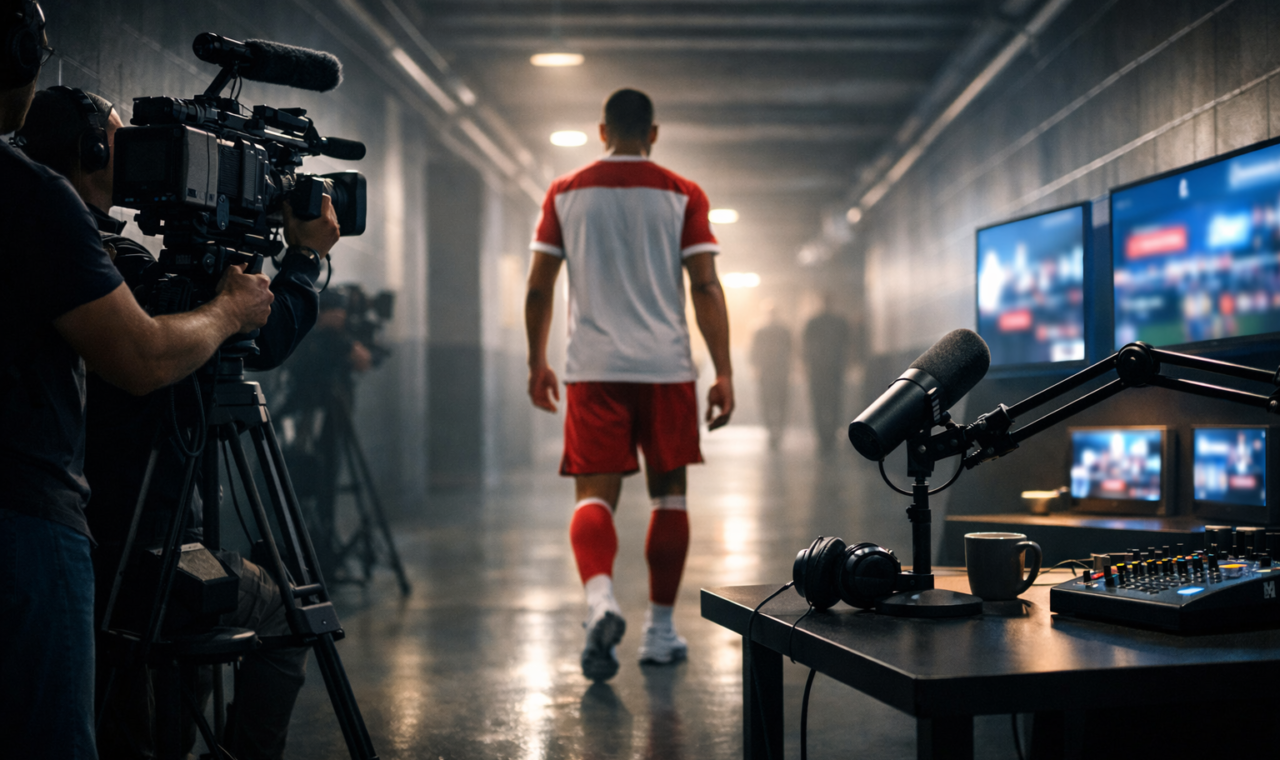
Sports fans no longer want only the box score or the final buzzer. They want the locker-room tension, the road-trip jokes, the recovery routines, and the human stories that make the game feel personal.
Sports used to be consumed in neat, predictable chunks: the game, the box score, the postgame interview, and maybe a highlight package if you missed the final buzzer. Now the appetite is much bigger. Fans want the locker-room tension, the road-trip jokes, the family sacrifices, the training routines, the recovery process, and the conversations that happen when the cameras are “supposed” to be off. In other words, the modern sports fan is not just watching the competition — they are following the story around it.
That’s why behind-the-scenes storytelling has become one of the most powerful forces in sports media. Documentaries, podcasts, social clips, and personality-driven coverage are no longer side dishes. For many fans, they are the main reason they stay emotionally invested all season long.
The highlight reel may show what happened, but the behind-the-scenes story explains why it mattered.
The game is only part of the experience now
There was a time when sports coverage revolved mainly around outcomes: who won, who lost, who got traded, who got injured. That model still matters, but it no longer satisfies a generation of fans that expects entertainment to come with depth. Today’s audience is used to long-form podcasts, creator commentary, streaming documentaries, and social media clips that give them a feeling of access.
That access changes the relationship between fan and athlete. A player is no longer just a name on a jersey. They become a narrator, a personality, a worker, a parent, a rival, and sometimes even a flawed protagonist. The more dimensions fans see, the more real the sport feels.
This is one reason so many sports documentaries become cultural events. They are not just about winning games. They are about pressure, identity, leadership, failure, obsession, and reinvention. Those are human themes, which is why even casual viewers can get hooked.
Why fans want more than highlights
1. Access feels like authenticity
Sports fans have grown increasingly skeptical of polished, one-dimensional messaging. They know PR when they see it. What feels valuable now is access that seems unfiltered, even if it is still curated. A mic’d-up segment, a raw postgame reaction, or a candid podcast conversation can create the impression that fans are getting something real.
That sense of authenticity matters because it builds trust. When fans believe they understand the person behind the performance, they are more likely to stay loyal during slumps, injuries, and controversy.
2. Context turns performance into narrative
A stat line tells you what happened. Context tells you why it mattered.
Behind-the-scenes storytelling gives fans the background needed to interpret what they’re watching. A player’s breakout season becomes more meaningful when you know about the offseason training, the coaching change, or the confidence they rebuilt after a bad year. A team’s championship run feels richer when you understand the chemistry, the setbacks, and the sacrifices that never appeared in the box score.
This is especially important in an era where attention spans are fragmented. If someone only sees a 15-second clip, they may miss the larger arc. Documentary-style and podcast-style storytelling restores that arc.
3. Personality makes teams feel human
Fans do not just fall in love with wins. They fall in love with characters.
That is why personality-driven coverage is so sticky. The loud veteran, the quiet rookie, the coach with a dry sense of humor, the veteran whose pregame routine becomes a ritual — these details give fans something to remember beyond standings and statistics. They also make a team feel like a real workplace with relationships, conflict, and growth rather than a uniform blur of talent.
Once fans connect with the people, they care more deeply about the result.
The formats driving the obsession
Behind-the-scenes storytelling is not one thing. It works because it shows up in multiple formats, each serving a different level of fan curiosity.
Documentaries create emotional depth
Sports documentaries have become a go-to format because they can compress a season, a rivalry, or a personal journey into a highly watchable narrative. The best ones do more than celebrate greatness. They show doubt, failure, pressure, and recovery. That emotional range is what keeps viewers engaged even if they are not die-hard fans of the team involved.
Podcasts deliver intimacy
Podcasts are uniquely effective because they feel conversational. Athletes, coaches, reporters, and former players can speak at length, without the usual interruption-heavy rhythm of television. That creates space for nuance, which is exactly what fans crave.
A good sports podcast often feels like being let into the room after everyone else has gone home. Listeners hear opinions that might not fit into a tight TV segment, which makes the experience feel more personal and less packaged.
Social clips create constant proximity
Short-form video has transformed the fan experience by making behind-the-scenes moments feel immediate. A quick locker-room speech, a travel-day joke, a training clip, or a quick-cut montage from practice can travel farther than a full broadcast recap.
These clips are powerful because they fit into daily scrolling habits. Fans may not sit down for an hour-long documentary every week, but they will absolutely watch a 30-second window into an athlete’s life between work meetings or while waiting in line for coffee.
Creator-led and personality-driven coverage fills the gap
Independent sports creators and personality-driven media brands have also helped fuel this trend. They often mix analysis with humor, personal opinions, and context that traditional outlets sometimes skip. That makes sports feel more conversational and less institutional.
For audiences, the appeal is simple: they do not just want information. They want a point of view.
How behind-the-scenes storytelling changes fan behavior
This shift is not just changing what people watch. It is changing how they behave as fans.
- They follow athletes year-round. The season no longer begins and ends with the schedule.
- They form stronger emotional attachments. Fans are more likely to root for a player’s comeback or a coach’s second chance when they understand the backstory.
- They debate more contextually. Conversations are less about raw results and more about leadership, culture, and psychology.
- They discover new entry points. Someone who does not care about a league’s standings may still binge a compelling team documentary or celebrity-athlete podcast.
- They expect more from coverage. Box scores and recap shows alone can feel thin to audiences who are used to richer storytelling elsewhere.
In practice, this creates a feedback loop. The more fans are given access, the more access they want. And the more they want, the more media companies lean into content that offers emotional depth, personality, and exclusivity.
What this means for sports media
For sports media brands, the message is clear: being informative is no longer enough. Audiences also want atmosphere, context, and character. This has pushed reporters, producers, and platforms to rethink how stories are told.
Traditional coverage still has a major role, but it now competes with content that is faster, more intimate, and often more emotionally resonant. That means smart sports media teams are building ecosystems, not just articles or broadcasts. One game might generate a live recap, a postgame analysis, a player interview, a podcast conversation, and a social clip package. Each format serves a different level of attention.
This also changes the skills that matter. The best sports storytellers today are often part reporter, part editor, part cultural translator. They know how to connect a result to a larger theme — pressure, identity, legacy, fame, injury, comeback, and community — without losing clarity.
In that sense, behind-the-scenes storytelling is not a trend away from sports journalism. It is an expansion of what sports journalism can do.
The risk of too much access
Of course, more access is not always better. There is a reason some athletes and teams are selective about what they share. Once every emotion becomes content, it can become harder to maintain privacy, focus, and boundaries.
Fans may feel close to athletes through behind-the-scenes storytelling, but that does not mean they are entitled to every detail. The best sports media understands this balance. It gives audiences enough context to care without turning every private moment into a spectacle.
There is also the risk of overproduced authenticity. If everything is staged to look candid, fans eventually notice. The most effective storytelling feels emotionally honest, not artificially intimate.
Key takeaways
- Fans want more than scores. They want context, emotion, and access to the people behind the performance.
- Documentaries, podcasts, and social clips each serve a different need. Together, they create a fuller fan experience.
- Behind-the-scenes content deepens loyalty. When fans understand the story, they care more about the outcome.
- Sports media is becoming more personality-driven. Coverage now has to inform, entertain, and humanize.
- Authenticity still matters most. Fans can tell the difference between genuine access and manufactured drama.
FAQ
Why are sports documentaries so popular right now?
They combine the drama of competition with the emotional structure of a good story. Fans get access to pressure, conflict, failure, and redemption in a format that feels bigger than a standard highlight reel.
What makes behind-the-scenes sports content different from regular coverage?
Regular coverage explains what happened in the game. Behind-the-scenes content explains the human and strategic context around it, which helps fans feel more connected to the people involved.
Are podcasts really changing how people follow sports?
Yes. Podcasts give athletes, analysts, and insiders more room to speak in detail, which makes sports feel more personal, conversational, and nuanced than short-form coverage alone.
Does more access always make sports better for fans?
Not always. Access can deepen appreciation, but too much can blur privacy and turn genuine moments into content. The most effective storytelling finds a balance between openness and respect.
Related Resources
- ESPN — A leading sports media outlet with a wide range of features, interviews, podcasts, and long-form storytelling.
- Nielsen Insights — Useful for understanding how audiences consume sports and media across platforms.
- NBA.com — The league’s official site, which regularly publishes video content, interviews, and behind-the-scenes features.
- NFL.com — The NFL’s official platform for news, videos, player features, and league-produced storytelling.
- Olympics.com — A strong source for athlete profiles, feature stories, and documentary-style coverage across Olympic sports.