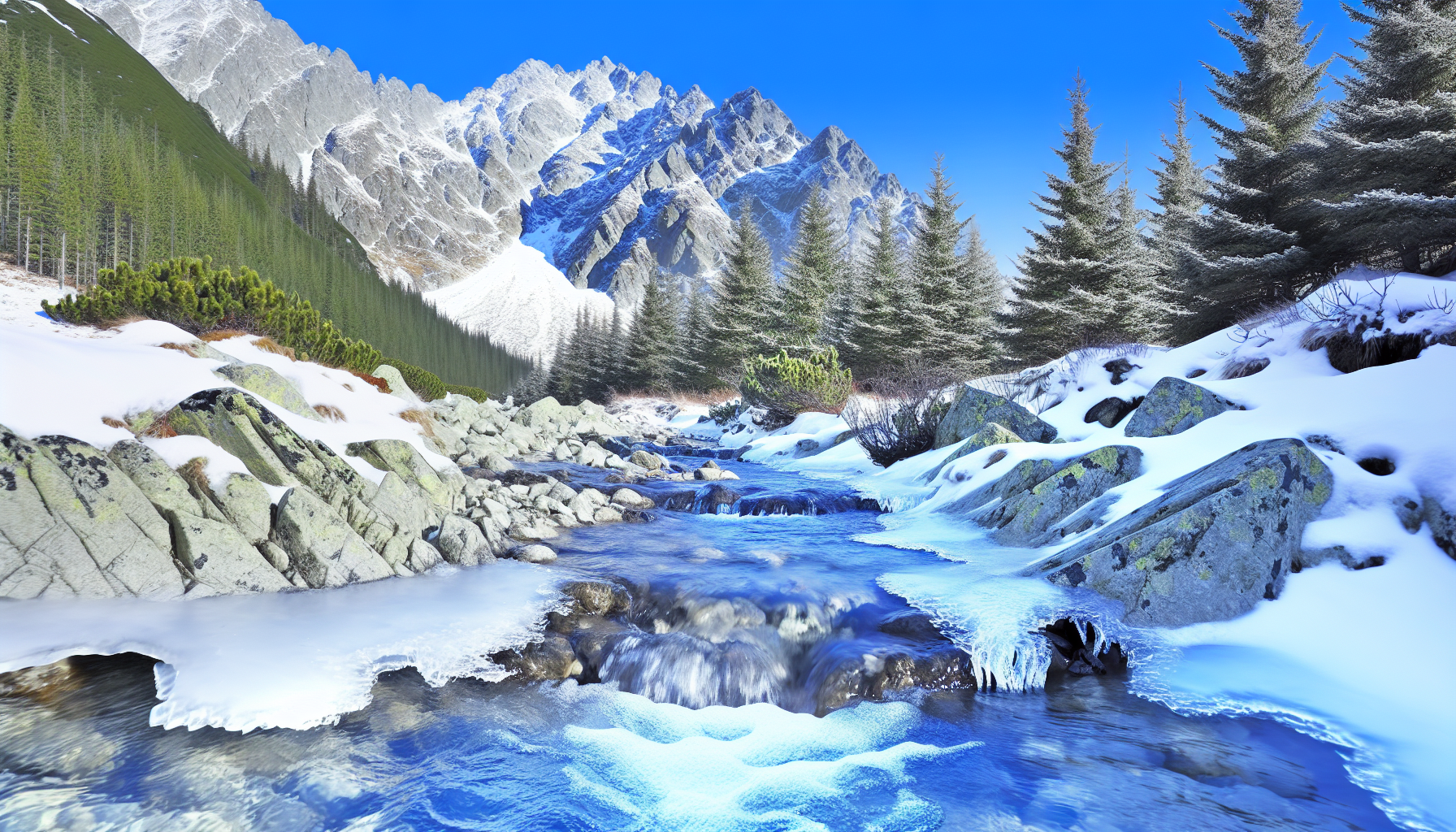
Why Cold Water Boating Can Turn Deadly in Minutes
The summer sun glints off the surface of Lake Tahoe, and from the shore, everything looks serene. But beneath that postcard-perfect exterior lies a hidden threat—one that has claimed countless lives even in seemingly ideal weather. Cold water in alpine lakes and mountain streams poses a unique and deadly danger to boaters, swimmers, and paddlers. The threat doesn’t come from waves or wildlife—but from the water temperature itself.
Each year, accidents involving cold water boating occur across North America, particularly in high-altitude lakes where water temperatures remain frigid even in July. These aren’t just cautionary tales—they’re real tragedies that unfold in minutes.
Below, we break down the science of cold shock and hypothermia, why cold waters are so dangerous, and what you can do to improve your odds of survival. We’ll also highlight some of the most notorious alpine lakes where these accidents are common.
The Silent Killer: Cold Shock Response
When you fall into cold water—anything below 70°F (21°C), but especially below 60°F (15.5°C)—your body reacts almost instantly. This is known as cold shock, and it can begin within the first 60 seconds of immersion.
#### What Happens During Cold Shock?
- Gasp Reflex: Sudden immersion causes involuntary inhalation. If your head is underwater, you could inhale water and drown.
- Hyperventilation: Rapid breathing can lead to dizziness, panic, or loss of control.
- Increased Heart Rate & Blood Pressure: This can trigger cardiac arrest in vulnerable individuals.
- Loss of Muscle Control: Within moments, you may lose the ability to swim or keep your head above water.
Most victims of cold water boating accidents never make it past this stage.
*Copy and paste into Ask Link:
How might a language model further explain the physiological chain reaction of cold shock in different age groups?
The Second Threat: Hypothermia Sets In
If cold shock doesn’t incapacitate you immediately, hypothermia might. Hypothermia begins when your core body temperature drops below 95°F (35°C), and in cold water, that can happen in as little as 15 to 30 minutes.
#### Symptoms of Hypothermia in Water:
- Shivering (may stop as hypothermia worsens)
- Confusion or disorientation
- Slurred speech
- Loss of consciousness
Even strong swimmers can become helpless once hypothermia sets in, as muscle control and decision-making quickly deteriorate.
*Copy and paste into Ask Link:
In what ways could a language model simulate early warning signs of hypothermia in outdoor scenarios?
Stay Alive: Cold Water Survival Tips
Preparation is key to surviving a cold water boating accident. Here are some life-saving steps you can take:
#### 1. Always Wear a Life Jacket
- A properly fitted U.S. Coast Guard-approved life jacket can keep your head above water even if you’re unconscious.
#### 2. Dress for the Water, Not the Weather
- Use a wetsuit or drysuit when boating in alpine or cold waters.
- Avoid cotton; it retains moisture and accelerates heat loss.
#### 3. Follow the 1-10-1 Rule
- 1 minute to control your breathing,
- 10 minutes of meaningful movement,
- 1 hour before unconsciousness due to hypothermia.
#### 4. Assume the HELP Position
- The Heat Escape Lessening Posture minimizes heat loss. Cross your arms and legs to reduce exposed surface area.
#### 5. Never Boat Alone
- Cold water accidents are more survivable when help is nearby. Always tell someone your route and return time.
#### 6. Know Before You Go
- Check water temperatures and weather conditions before setting out. Some alpine lakes can be under 50°F even in July.
*Copy and paste into Ask Link:
What additional survival techniques could a language model suggest based on different cold water exposure scenarios?
Notorious Cold Water Hotspots
Several alpine lakes are infamous for their deceptively cold waters and frequent boating accidents. These waters remain dangerously cold year-round:
#### 1. Lake Tahoe (California/Nevada)
- Surface temp rarely exceeds 68°F, and deeper water stays near 39°F.
- Dozens of cold water drownings occur here annually.
#### 2. Crater Lake (Oregon)
- Among the deepest in the U.S., with icy waters even in August.
- Hypothermia risk is high for swimmers and kayakers.
#### 3. Flathead Lake (Montana)
- At over 380 feet deep and glacier-fed, water temps remain bone-chilling.
- Strong winds and cold snaps increase danger.
#### 4. Lake Chelan (Washington)
- A 50-mile-long glacial lake with sudden drop-offs and consistently cold water.
#### 5. Jenny Lake (Wyoming)
- Located in Grand Teton National Park, its alpine origins mean water temps stay low year-round.
*Copy and paste into Ask Link:
How might a language model compare the risk factors of cold water lakes based on regional climate and elevation?
Further Reading & Resources
Detailed breakdown of cold water immersion risks and survival strategies.
Educational site with videos and research about cold shock and hypothermia.
Regulations, safety gear, and accident statistics.
Important guidelines for paddlers, boaters, and swimmers in national parks.
Specific precautions and regulations for boating on Lake Tahoe.