
A Shovel in One Hand, History in the Other
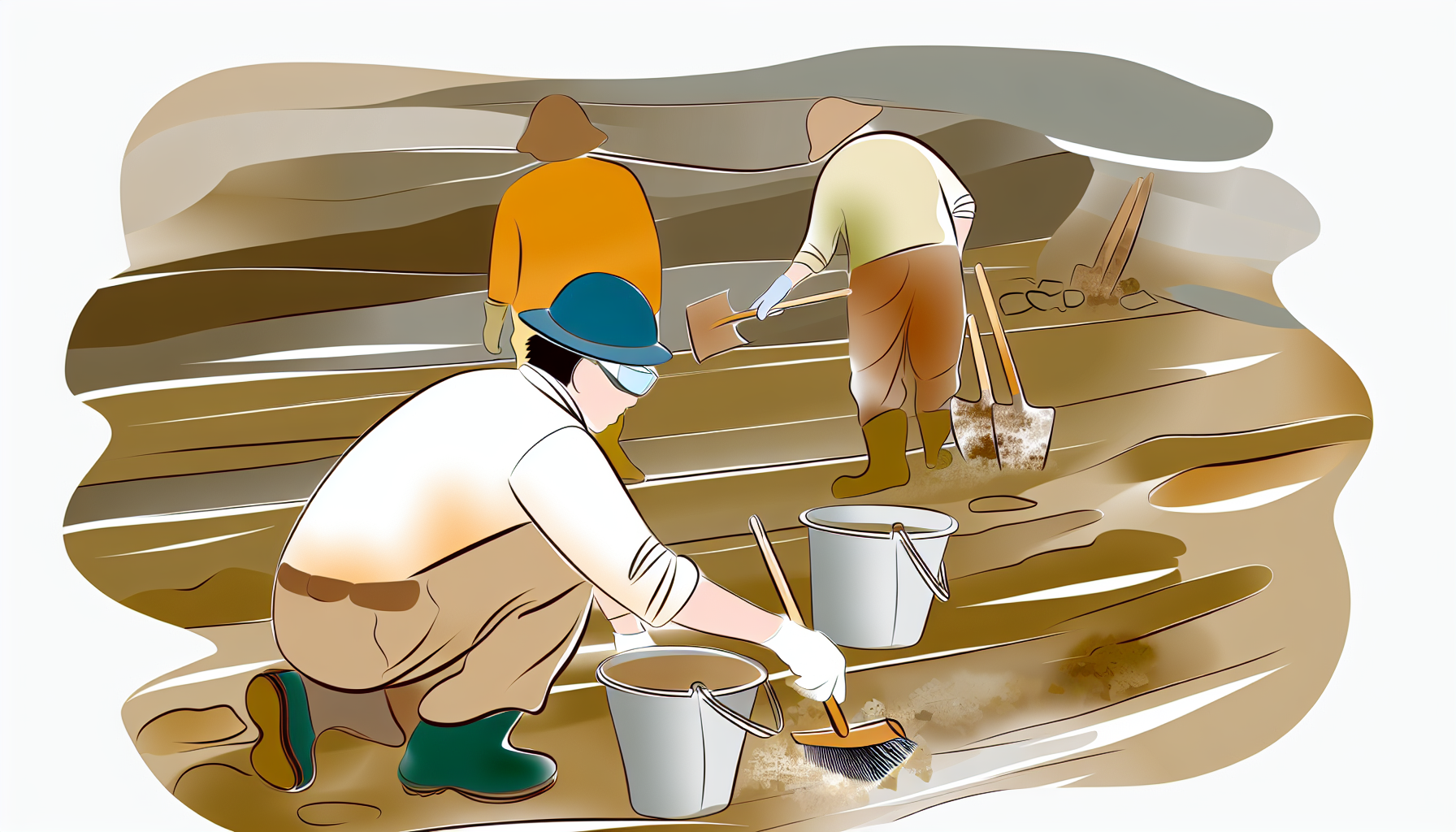
In the dry heat of a desert morning, a team of archaeologists kneels over a shallow pit, brushing away layers of dust with tiny tools more suited to a dentist’s office than a dig site. What looks like a patch of dirt might actually be the edge of an ancient wall, untouched for thousands of years. Every movement they make is deliberate, every grain of soil sifted with purpose. This is the patient art of archaeology—where a simple fragment of pottery can rewrite what we know about ancient civilizations.
We often imagine archaeologists as adventurous treasure hunters, but the reality is far more meticulous—and far more fascinating.
The Science Beneath the Soil
1. Digging Isn’t Just Digging: The Role of Precision
Archaeologists don’t just start shoveling dirt at random. Each excavation follows a grid system, and the soil is removed layer by layer, inch by inch. Tools include trowels, brushes, and even dental picks. Why so careful? Because every object, no matter how small, holds clues—about the date of the site, the culture that lived there, and how they lived.
Care varies depending on what the team expects to find. If they believe they’re uncovering human remains or sacred artifacts, the process slows to a crawl. In contrast, in areas with fewer significant finds, broader excavation might be allowed. But even then, documentation is key. Every item is photographed, logged, and mapped before being removed.
2. How the Earth Hides History
You might wonder: how does a stone building end up buried under 10 feet of dirt? It’s not magic—it’s time and nature. Over centuries, wind, floods, earthquakes, plant growth, and even human activity contribute to sediment buildup. Abandoned cities get swallowed by sand or overgrown by forests. When roofs collapse and walls crumble, the debris piles up. Over decades and centuries, these layers compact and harden.
Sometimes, humans help. Ancient cities were often built on top of older ones. In places like Troy or Rome, entire civilizations are stacked on top of each other like layers in a cake.
3. Big Finds, Buried Deep
Large artifacts—like statues, columns, or foundations—might seem too massive to hide. But consider this: when a structure collapses, it breaks apart. Rain and wind carry soil into the cracks. Over time, vegetation and erosion add more layers. In 2,000 years, even the grandest ruins can be hidden under a hill. In some cases, cities like Pompeii were buried in a single day by volcanic ash, preserving entire buildings under tons of debris.
Tools, Tech, and Teamwork
Modern archaeology blends old-school digging with high-tech tools. Ground-penetrating radar (GPR), satellite imagery, and magnetometers help researchers “see” underground before they touch a shovel. This reduces unnecessary damage and helps target the most promising areas.
Once artifacts are unearthed, conservationists step in. These specialists stabilize fragile items, from delicate scrolls to crumbling stone, ensuring they survive for future study.
The Real Treasure: Context, Not Gold
Unlike in movies, archaeologists aren’t hunting treasure—they’re interpreting human stories. A broken bowl, a child’s toy, or a cooking hearth can reveal more about daily life than a golden idol ever could. Through excavation, researchers reconstruct ancient diets, beliefs, languages, and trade networks.
Every artifact is a thread in the vast tapestry of human history. And the more carefully it’s handled, the clearer that picture becomes.
Whether it’s a lost city beneath the jungle or a forgotten shrine under a farmer’s field, archaeologists bring the past back to light—one layer, one artifact, one story at a time.
Further Reading & Resources
A beginner-friendly overview of what archaeology is, how it works, and why it matters.
Explains the natural and human processes that lead to ancient sites being covered over time.
A step-by-step guide to how archaeologists plan, dig, and analyze their findings.
An interactive look into the tools and technologies used in modern excavation.


