
The Comeback of Everyday Volunteering
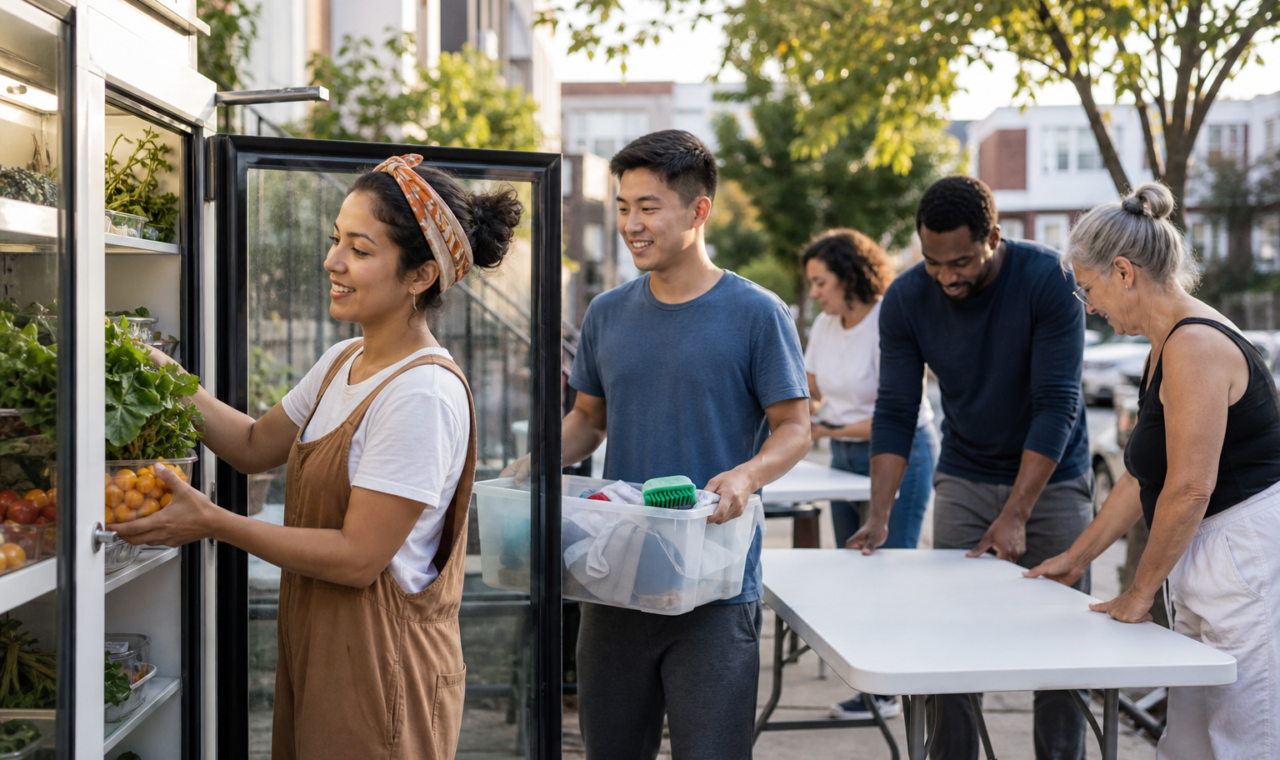
Everyday volunteering is quietly returning as people look for practical, local ways to help — from food access and school support to cleanups, mutual aid, and small acts of neighborly care.
Everyday volunteering is making a quiet comeback—not as a grand gesture, but as a practical response to the needs people can see right outside their doors. After years of disrupted routines, stretched household budgets, and a growing sense that many systems feel too large to influence, more people are looking for ways to be useful close to home. The result is a renewed interest in small acts of service: stocking a community fridge, helping at a school event, joining a neighborhood cleanup, driving a neighbor to an appointment, or setting up chairs before a local fundraiser.
This kind of volunteering is not always polished or highly organized. It often happens in group chats, school newsletters, church basements, apartment lobbies, library meeting rooms, and city parks. It is practical, local, and human-scaled. And that may be exactly why it feels meaningful right now.
Why Everyday Volunteering Feels Different Now
For many people, the old picture of volunteering was tied to formal commitments: signing up with a large nonprofit, completing training, taking on a recurring shift, or joining a board. Those opportunities still matter, and many organizations depend on them. But the renewed energy around volunteering today is often more flexible and informal.
People want to help, but they also want to understand what their help actually does. They want to see a pantry shelf filled, a park path cleared, a student supported, or a neighbor’s burden made lighter. The appeal is not just generosity. It is immediacy.
There is also a social side to it. Local service can soften the isolation that many people feel, especially in cities and suburbs where people may live close together without knowing one another well. Volunteering gives people a reason to show up, speak to someone new, and become part of a place rather than just a resident of it.
Food Access Is Often the First Place People Notice the Need
Food access has become one of the clearest examples of everyday volunteering. In many communities, people are helping through food pantries, community fridges, meal deliveries, school food drives, and neighborhood-based donation efforts.
What makes this area so immediate is that the need is visible and concrete. A pantry needs rice, pasta, baby formula, canned goods, hygiene supplies, or fresh produce. A community fridge needs cleaning and restocking. A senior center needs help distributing meals. A family shelter needs volunteers who can sort donations without turning the process into a complicated event.
Small food access projects also make room for different kinds of participation. Someone with a flexible schedule may volunteer for a weekly pantry shift. Someone with limited time may add a few extra groceries to their cart. A restaurant may donate surplus food through an organized channel. A neighbor may coordinate a building-wide collection for a local distribution site.
The best efforts tend to be consistent, respectful, and responsive. They avoid treating food donation as a way to clear out unwanted pantry items and instead focus on what people actually need and can use. Everyday volunteering works best when it preserves dignity, not just when it moves goods from one place to another.
Neighborhood Cleanups Are About More Than Litter
Neighborhood cleanups have also returned as a popular and accessible form of local service. Picking up trash, removing weeds, planting flowers, painting over graffiti where appropriate, or clearing storm drains may sound simple, but these actions can change how a block feels.
A cleaner street or park does not solve every challenge a neighborhood faces, but it can build momentum. People notice when others care for a shared space. A cleanup can turn strangers into familiar faces. It can also help residents identify larger issues—poor lighting, unsafe crossings, neglected lots, broken benches, or overflowing public bins—that may need follow-up with local officials or property owners.
These projects work because they are low-barrier. Families can participate. Teenagers can join. Local businesses can provide gloves, bags, coffee, or water. A small group can make visible progress in a single morning.
Still, the most effective cleanups are not just one-off photo opportunities. They are connected to ongoing care. That might mean adopting a block, checking a park monthly, coordinating with sanitation services, or organizing seasonal efforts after storms, holidays, or major public events.
Schools Are Becoming Community Service Hubs Again
Schools have always relied on help beyond the classroom, but many communities are rediscovering how much small volunteer support can matter. Parents, grandparents, college students, retirees, and local professionals are showing up in ways that do not always require specialized expertise.
Some help with reading practice, library organization, after-school clubs, field trips, career days, clothing closets, sports concessions, translation support, or event setup. Others contribute behind the scenes by preparing materials, sorting supplies, or helping teachers manage the many extra tasks that pile up around instruction.
School volunteering is especially powerful because it creates a web of support around children and families. It can also reconnect adults to the daily reality of education: the logistics, the energy, the resource gaps, and the importance of dependable help.
For people who want to get involved, the most useful first step is usually simple: ask what the school actually needs. A well-intentioned idea may not match the current pressure points. A principal, teacher, PTA, school counselor, or community coordinator can often point volunteers toward tasks that are timely and appropriate.
The Rise of Informal Mutual Aid
Not all volunteering has an official sign-up sheet. Informal mutual aid has become a major part of how communities care for one another. This can look like neighbors sharing groceries, rides, childcare swaps, medical supplies, furniture, job leads, pet care, language help, or emergency funds.
Mutual aid is different from traditional charity in tone and structure. It often starts from the idea that everyone has needs and everyone has something to offer. One person may need help this month and be able to provide help next month. The relationship is more horizontal than top-down.
In practice, mutual aid often happens through text chains, social media groups, community boards, apartment associations, faith communities, parent groups, and local clubs. It can be incredibly effective because it moves quickly and is grounded in trust.
But informal systems need care too. Good mutual aid efforts protect privacy, avoid shaming people who ask for help, and make expectations clear. They also try not to depend on the same few people until those people burn out. The strongest groups build simple habits: rotating tasks, confirming needs before acting, and making it easy for people to contribute in small ways.
Community Events Are Rebuilding Local Connection
Street fairs, library programs, farmers markets, youth sports days, cultural festivals, block parties, holiday drives, and local concerts all depend on volunteers. These events may seem lighter than food access or emergency support, but they play an important role in community life.
Events create belonging. They give people a reason to gather that is not based on a crisis. They help local artists, vendors, students, seniors, small businesses, and civic groups become visible to one another. They also make public life feel warmer and more approachable.
Volunteers are often the difference between an idea and a real event. Someone has to welcome guests, direct traffic, hand out programs, set up tables, manage recycling, check in performers, supervise activity stations, or clean up afterward. These roles may not sound glamorous, but they are the practical backbone of community culture.
For newer residents, volunteering at an event can be one of the easiest ways to feel connected. You do not have to know everyone before you arrive. The task gives you a natural place to start.
Younger Volunteers Are Bringing a Practical Mindset
Younger volunteers are often described as idealistic, but many are also deeply practical. They tend to respond to opportunities that are clear, flexible, and connected to real-world outcomes. They may not always join traditional civic organizations in the same way previous generations did, but they do show up for causes that feel immediate and authentic.
For students and young professionals, volunteering can also be a way to learn skills, build relationships, and understand a community beyond work or school. A cleanup teaches organizing. A food pantry shift reveals supply and demand challenges. A tutoring program builds patience and communication. A mutual aid group shows how networks function under pressure.
Organizations that want younger volunteers may need to rethink how they present opportunities. Vague calls for “help needed” are less effective than specific requests: two people to unload boxes on Tuesday, five volunteers for a Saturday park cleanup, one person to design a flyer, three drivers for meal drop-offs, or bilingual support for a family resource night.
Flexibility also matters. Not everyone can commit every week for a year. But many people can commit to one afternoon, one project, or one recurring task with a clear endpoint. When those smaller commitments are respected, they can grow into longer-term involvement.
Why People Want to Help Close to Home
The return of everyday volunteering reflects a broader mood: people want practical hope. They may feel overwhelmed by national debates, global crises, economic pressure, and constant news cycles. Local service offers a different scale. It does not require solving everything. It asks: what can be improved here, today, with the people available?
Helping close to home also makes accountability easier. If a neighborhood group organizes a cleanup and no one shows up, the group can adjust. If a pantry receives too much of one item and not enough of another, volunteers can change the request. If a school event needs more evening help than daytime help, organizers can adapt.
There is also emotional honesty in local volunteering. It does not pretend that small acts fix deep problems. A donated meal does not end food insecurity. A tutoring session does not solve every challenge in education. A cleanup does not erase years of disinvestment. But small acts can still matter. They can reduce harm, build trust, and create the conditions for larger change.
Everyday volunteering is powerful because it lowers the distance between concern and action. It turns “someone should do something” into “here is one thing we can do.”
How to Make Everyday Volunteering Sustainable
The biggest risk in local service is burnout. People with generous instincts often say yes too often, especially when the need feels urgent. Sustainable volunteering requires boundaries, coordination, and a realistic view of capacity.
One useful approach is to choose a lane. That does not mean ignoring every other issue. It means deciding where your time, skills, and schedule fit best right now. Food access, schools, parks, elder support, animal rescue, community events, and mutual aid all need different kinds of help. Picking one area makes it easier to be consistent.
Another approach is to match the task to your season of life. A parent with young children may not be able to attend evening meetings but might donate supplies or help with weekend events. A remote worker may be able to do daytime deliveries. A retiree may have time for recurring shifts. A college student may be best suited for short, high-energy projects.
Good volunteering should also include listening. Communities rarely need outsiders to arrive with a fully formed plan before understanding the situation. The more useful question is: what is already happening, and how can I support it without making extra work for the people carrying it?
Small Acts That Make a Real Difference
For anyone who wants to help but does not know where to begin, everyday volunteering can start with manageable steps:
- Ask a local pantry what items are most needed before shopping or organizing a drive.
- Join one neighborhood cleanup and learn whether there is a regular group maintaining the area.
- Contact a nearby school to ask about approved volunteer needs, supply requests, or event support.
- Check on an older neighbor during extreme weather, transportation disruptions, or holidays.
- Offer a specific skill such as translation, design, tutoring, bookkeeping, cooking, repair, or event setup.
- Support community events by volunteering for practical roles like check-in, cleanup, or table staffing.
- Participate in mutual aid respectfully by following the group’s norms and protecting people’s privacy.
The key is to be specific. “Let me know if you need anything” is kind, but it can place the burden on someone else to identify and request help. “I can pick up groceries on Tuesday afternoon” or “I can help set up chairs from 9 to 10” is often more useful.
Key Takeaways
- Everyday volunteering is becoming more visible because people want practical ways to help close to home.
- Food access, cleanups, schools, mutual aid, and community events are some of the clearest areas where small efforts matter.
- Younger volunteers often respond to flexible, specific opportunities with clear expectations and visible impact.
- Local service builds connection as well as support, helping people feel more rooted in their neighborhoods.
- Sustainable volunteering requires boundaries, listening, and choosing tasks that match your real capacity.
FAQ
What is everyday volunteering?
Everyday volunteering refers to small, practical acts of service that support local people and places. It can include helping at a food pantry, joining a cleanup, supporting a school event, checking on neighbors, or contributing to a mutual aid effort.
Do I need to volunteer through an official organization?
Not always. Formal organizations are important, especially for work that involves safety, children, food handling, or vulnerable populations. But informal help also matters. The best choice depends on the task, the level of responsibility, and the needs of the community.
How can I help if I do not have much time?
Look for specific, limited tasks. You might help for one hour at an event, drop off requested pantry items, share a verified local need, pick up supplies, or join a one-day cleanup. Consistency is helpful, but even small contributions can be useful when they match a real request.
What should I avoid when volunteering locally?
Avoid assuming you know what a community needs before asking. Do not donate unusable items, share someone’s personal situation without permission, or create extra work for already-stretched organizers. Respect, reliability, and listening are just as important as enthusiasm.
How do I find the right opportunity?
Start with places already connected to community needs: libraries, schools, food pantries, neighborhood associations, faith communities, mutual aid groups, parks groups, and local event organizers. Ask what help is needed now, not just what sounds interesting in theory.
Next Step
Choose one practical way to help within walking distance, a short drive, or your existing weekly routine. Ask what is needed, commit to a manageable task, and follow through. Everyday volunteering grows from there: one useful action, one local connection, and one shared place cared for a little better than before.